
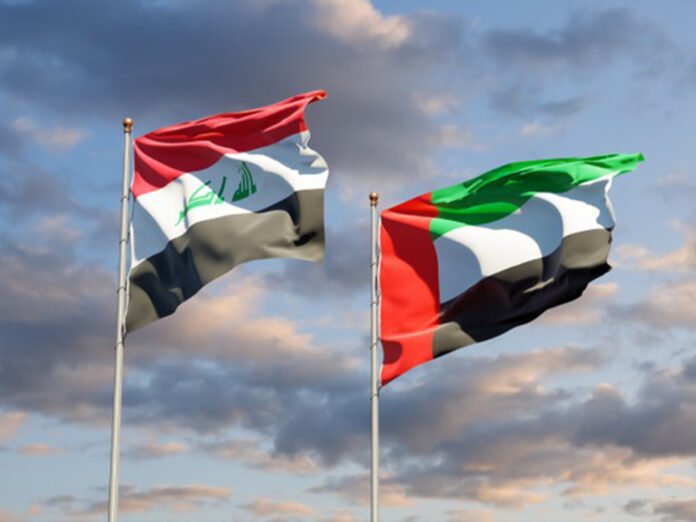
Iraq and the United Arab Emirates are accelerating plans to expand alternative oil export routes as prolonged disruptions in the Strait of Hormuz continue to affect shipments across the Gulf.
Iraqi authorities have approved measures to increase crude exports through the Kurdistan-Turkey pipeline network, aiming to significantly raise capacity through the route connecting northern Iraq to Turkey’s Mediterranean port of Ceyhan.
The move comes as Baghdad faces mounting pressure from reduced export flows through Hormuz, a critical waterway for regional energy supplies. Oil remains central to Iraq’s economy, accounting for more than half of the country’s GDP last year, according to international estimates.
Meanwhile, the UAE is pushing ahead with the expansion of its West-East pipeline project linking Abu Dhabi oil fields to the port of Fujairah on the Gulf of Oman. The project is expected to strengthen the country’s ability to export crude without relying entirely on the Strait of Hormuz.
Regional energy infrastructure has come under growing strain in recent months amid escalating tensions and attacks affecting shipping lanes and export facilities.
Analysts say Gulf producers are increasingly seeking long-term alternatives to reduce vulnerability to disruptions in the strategic maritime corridor, through which millions of barrels of oil previously passed each day.
Despite ongoing efforts, experts note that developing alternative export routes requires major investment, time and regional coordination, while current pipeline capacities remain below the levels previously handled through Hormuz.
