
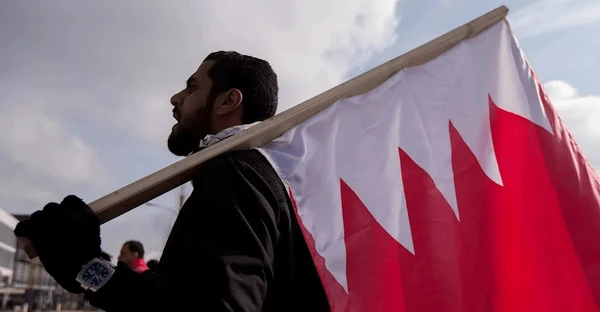
The latest Bahrain citizenship revocation decision has triggered strong criticism from opposition groups and human rights organizations after authorities removed nationality from 69 individuals. Opposition group Al-Wefaq described the move as collective punishment linked to accusations of supporting hostile Iranian actions. The case has intensified debate over legal standards and political rights in the country.
The Bahraini Interior Ministry stated that the individuals faced allegations related to supporting what it described as hostile activities connected to Iran. Officials also claimed some of those affected had links or cooperation with foreign entities. The announcement did not provide detailed public evidence for the individual cases.
Al-Wefaq strongly rejected the decision and said it affected a wide range of people, including clerics, professionals, and families. The group argued that the measure extended beyond individuals and impacted entire households. According to its statement, the revocation also affected children through family dependency, raising concerns about broader social consequences.
The opposition group said the affected individuals did not face trial or formal judicial proceedings. It argued that the lack of legal process made the decision arbitrary. It also described the action as unconstitutional and inconsistent with international legal obligations. The group warned that the decision could deepen political divisions in the country.
Human rights organizations also expressed concern about the impact of the decision. The Bahrain Institute for Rights and Democracy said this marks the first large-scale citizenship revocation since 2019. It noted that the current status of those affected remains unclear, including whether they remain inside Bahrain or abroad.
The group also raised questions about legal protections and due process. It said uncertainty remains regarding whether those affected hold alternative nationalities. Observers noted that the situation creates long-term uncertainty for families impacted by the decision.
Bahrain has previously carried out similar citizenship revocations in past years. Authorities have often cited national security concerns and alleged foreign links as justification. Critics, however, continue to challenge the legal and political basis of such actions.
The current case comes during a period of heightened regional tension. Political dynamics in the Gulf remain closely linked to broader international developments. Analysts say such decisions often reflect both domestic security concerns and regional geopolitical pressures.
The ongoing Bahrain citizenship revocation case has renewed discussion about the balance between national security and individual rights. Critics argue that broader safeguards are needed to ensure fairness and transparency in such decisions. At the same time, officials maintain that national security considerations remain a priority.
As debate continues, the Bahrain citizenship revocation issue remains at the center of political and human rights discussions in the country. The outcome may influence future legal and policy approaches to citizenship and security matters.
