
The Saladin recovery story reflects how northern central Iraq continues to rebuild after years of conflict, displacement, and destruction. Saladin Province now shows steady signs of revival across its cities, farmland, and infrastructure. The region connects Baghdad with northern Iraq and holds both historical and strategic importance.
Saladin spans more than 24,000 square kilometers along the Tigris River. It includes key cities such as Tikrit, Samarra, Baiji, and Balad. These areas once faced heavy destruction during the ISIS conflict. Today, reconstruction projects and returning residents shape a new phase of stability. This ongoing transformation defines the Saladin recovery story across multiple sectors.
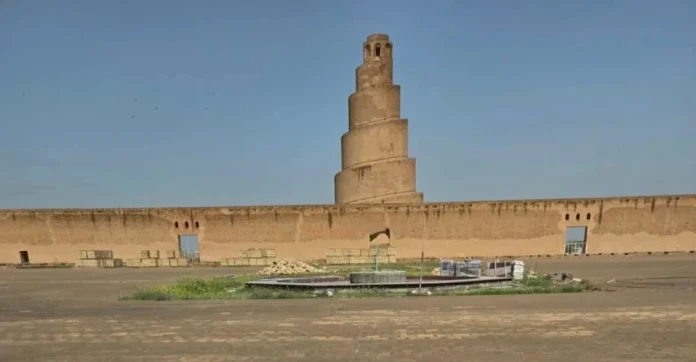
History plays a strong role in the province’s identity. Samarra preserves Abbasid-era landmarks, including the famous Malwiya minaret. Tikrit carries a legacy tied to political and military influence in modern Iraq. The province also reflects the heritage of Salah al-Din al-Ayyubi, whose legacy still influences local identity and unity.
The population of roughly 1.6 to 1.8 million includes diverse communities. Arabs, Kurds, and Turkmen live across different districts. Sunni and Shia communities also share the region, often connected through tribal and social networks. Local tribes continue to play a role in mediation and community stability. This social structure supports the wider Saladin recovery story by maintaining local order.
Agriculture remains central to life in Saladin. Farmers rely on the Tigris River for irrigation. They produce wheat, barley, corn, vegetables, and livestock. However, water shortages and damaged irrigation systems create ongoing challenges. Despite these difficulties, farming communities continue to rebuild livelihoods.
The province also depends on energy resources. The Baiji refinery once served as a major industrial hub. Oil fields in Ajeel and Allas contribute to national production. Industrial recovery remains uneven, yet it supports job creation and local markets.
Education has become a key driver of recovery. Universities in Tikrit and Samarra train students in engineering, medicine, and agriculture. Young people increasingly take part in reconstruction efforts. These efforts strengthen the Saladin recovery story by linking education with economic renewal.
Cultural life continues to grow alongside rebuilding efforts. Poetry events, art programs, and religious gatherings bring communities together. Heritage sites attract attention from historians and visitors. At the same time, local traditions remain strong in rural and urban areas.
Saladin still faces challenges, including infrastructure gaps, water scarcity, and economic dependence on oil and farming. However, gradual progress continues across multiple sectors. The province shows resilience as communities rebuild homes, markets, and public services.
