
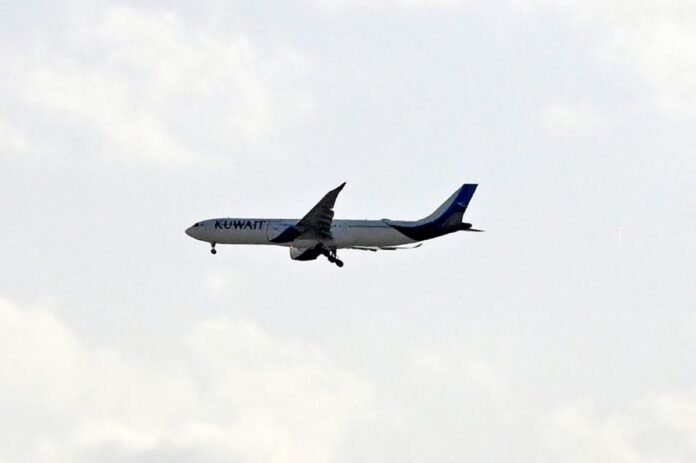
The Kuwait travel recovery has begun gaining momentum after authorities reopened airspace following a two-month suspension linked to regional conflict. Airports resumed operations as airlines restarted limited flights and passengers rushed to adjust long-delayed plans. The return of services brought relief to travelers, expatriates, and the aviation sector. However, challenges remain, especially with limited capacity and high ticket prices.
The Kuwait travel recovery became visible immediately after flights resumed. Demand surged as passengers tried to rebook cancelled trips and secure new travel dates. Travel agencies reported a sharp increase in inquiries, particularly for destinations such as Cairo, Amman, Delhi, and London. Despite the rebound, only a small number of airlines currently operate, restricting full market normalization.
Airlines including Kuwait Airways and Jazeera Airways restarted operations gradually from separate terminals. They focused on key international routes that match current passenger demand. Aviation officials confirmed plans to expand flight frequency and reopen additional destinations in the coming weeks. These steps aim to stabilize operations and rebuild passenger confidence.
The Kuwait travel recovery also reflects strong emotional demand from expatriates. Many travelers prioritize family reunions over tourism after months of disruption. Some expatriates described the reopening as a return to personal balance after long separation from loved ones. Others began planning immediate trips to reconnect with families abroad.
At the same time, the aviation sector continues to face operational and financial pressure. Ticket prices remain significantly higher than before the suspension. Limited seat availability, higher fuel costs, and increased insurance premiums all contribute to elevated fares. Airlines also operate under restricted schedules due to safety and coordination requirements.
Industry representatives explained that these conditions create a complex recovery environment. Airlines must balance rising demand with operational constraints and cost pressures. Additional challenges include managing staff logistics and operating from temporary or alternative hubs during the transition period.
Despite these issues, the Kuwait travel recovery shows signs of steady progress. Airports reported smooth operations during the first days of reopening. Some flights even departed ahead of schedule due to efficient passenger flow. Aviation authorities continue to monitor performance and adjust procedures to ensure safety and stability.
Looking ahead, airlines plan to expand their networks further as conditions improve. More destinations will gradually reopen once approvals are secured. Industry officials expect gradual price adjustments as competition increases and capacity expands. However, they also warn that short-term costs may remain high.
Overall, the return of air travel marks a significant step toward normalization. The Kuwait travel recovery continues to shape expectations for both passengers and the aviation industry as they adapt to a changing regional landscape.
