
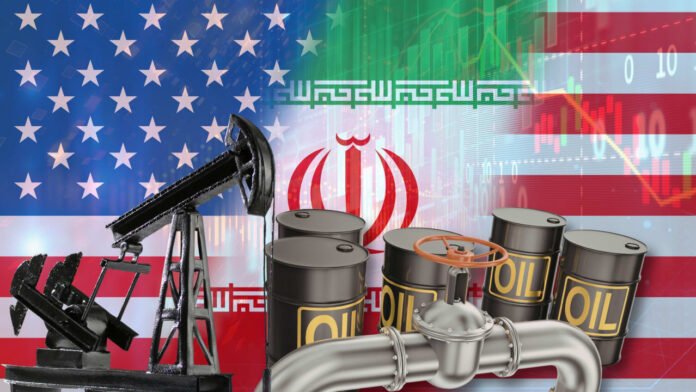
Oil prices surge as markets react to stalled diplomacy between the United States and Iran, raising concerns over global supply stability. Traders pushed prices higher on Monday as geopolitical risks intensified. At the same time, restricted shipping through the Strait of Hormuz added further pressure. These developments fueled uncertainty across energy markets worldwide.
Brent crude rose to $107.3 per barrel during early trading hours. Meanwhile, West Texas Intermediate climbed to $95.93 per barrel. Both benchmarks recorded gains of more than 1.5% on the day. This followed sharp increases last week, marking the strongest weekly rise since the start of the conflict.
However, hopes for renewed diplomatic progress weakened at the beginning of the week. Washington canceled a planned visit by senior envoys to Islamabad. At the same time, Iran’s foreign minister traveled to Pakistan for discussions. This shift signaled growing distance between the two sides and reduced expectations for a quick resolution.
Oil prices surge as analysts warn that prolonged tensions could disrupt supply chains further. Limited tanker movement through the Strait of Hormuz continues to restrict oil flows. Data showed only one tanker entered the Gulf on Sunday. This slowdown reflects tighter controls and rising risks in the region.
In addition, Washington increased pressure by enforcing restrictions on Iranian ports. Tehran responded by tightening its control over key shipping routes. As a result, global markets now face heightened volatility. Analysts suggest that Iran may soon confront storage limitations at its oil facilities.
A market strategist at IG noted that time may be running out for Tehran to manage output levels. He added that production cuts could become necessary if storage capacity reaches its limit. This scenario could tighten global supply even further.
Oil prices surge as financial institutions adjust their forecasts to reflect the changing outlook. Goldman Sachs revised its projections for the fourth quarter. The bank now expects Brent crude to average $90 per barrel. It also raised its estimate for U.S. crude to $83 per barrel.
Analysts highlighted multiple risks beyond basic supply concerns. They pointed to elevated refined product prices and potential shortages. They also warned about the scale of the current market shock. These factors could amplify economic pressures across several regions.
The situation remains fluid as geopolitical tensions continue to shape market direction. Investors now watch diplomatic signals closely for any sign of progress. Until then, energy markets are likely to remain sensitive to developments in the region.
