
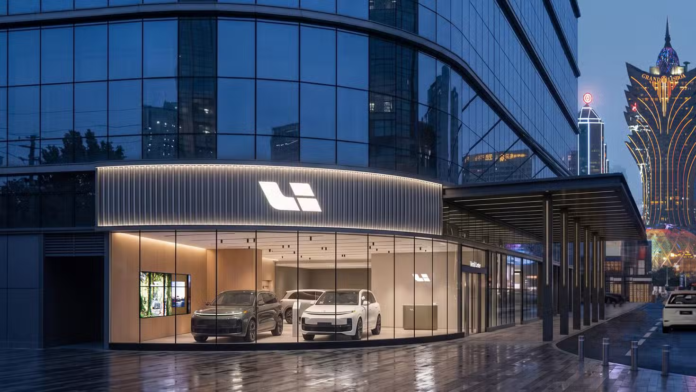
The Li Auto Middle East expansion marks a significant step in the company’s global growth strategy. The Chinese electric vehicle manufacturer has entered new partnerships to introduce its vehicles to Gulf markets. This move reflects rising demand for electric mobility solutions across the region. It also signals increasing competition in the international EV sector.
Li Auto confirmed agreements with local distributors in the Gulf. The company partnered with Al Fahim Motors in the United Arab Emirates and Mohamed Yousuf Naghi Motors in Saudi Arabia. These collaborations aim to bring Li Auto’s extended-range electric vehicles to regional consumers. The rollout will focus on family-oriented models from its L-series lineup.
The Li Auto Middle East expansion aligns with broader trends in regional transportation development. Gulf countries continue investing in clean energy and sustainable mobility solutions. As a result, international automakers are increasing their presence in these markets. Li Auto’s entry adds momentum to this shift.
In addition to its Middle East plans, the company is expanding across Asia Pacific. It has announced upcoming launches in markets such as Cambodia, Laos, Macau, and Myanmar. Local distribution partners will support these efforts. Preparations for initial rollouts are already underway.
The Li Auto Middle East expansion forms part of a larger international growth strategy. The company has identified Europe and Southeast Asia as future target regions. It aims to strengthen its global footprint through partnerships and direct market entry. Industry observers see this approach as a way to manage regional differences effectively.
Li Auto also plans to showcase its innovations at major global events. The company has confirmed its participation in the upcoming Paris Motor Show. This platform will allow it to present its latest electric vehicle technologies to a broader audience. It will also support brand recognition in international markets.
Analysts note that the EV sector continues to evolve rapidly. Companies are competing to secure early positions in emerging markets. The Middle East offers strong potential due to infrastructure investments and policy support. Therefore, Li Auto’s expansion comes at a strategic moment.
Overall, the Li Auto Middle East expansion highlights the company’s ambition to become a global EV player. Its partnerships in key markets provide a foundation for long-term growth. As demand for electric vehicles rises, the company aims to capture new opportunities across regions.