
Gulf Iraq political tensions continue to intensify as regional governments respond to cross-border security threats linked to armed groups. Gulf Iraq political tensions also reflect growing disputes over sovereignty, militias, and regional stability. The situation involves multiple countries, including Iraq and several Gulf Arab states.
Recent developments show increasing friction between Baghdad and its Gulf neighbors. Reports indicate that Iran-aligned armed groups operating inside Iraq have carried out attacks targeting regional interests. Moreover, these incidents have triggered diplomatic warnings and political pressure from Gulf capitals.
The United States has also increased its involvement in the situation. Officials in United States held coordination talks with Iraqi counterparts to limit escalation. In addition, Washington aims to prevent Iraqi territory from being used for regional attacks.
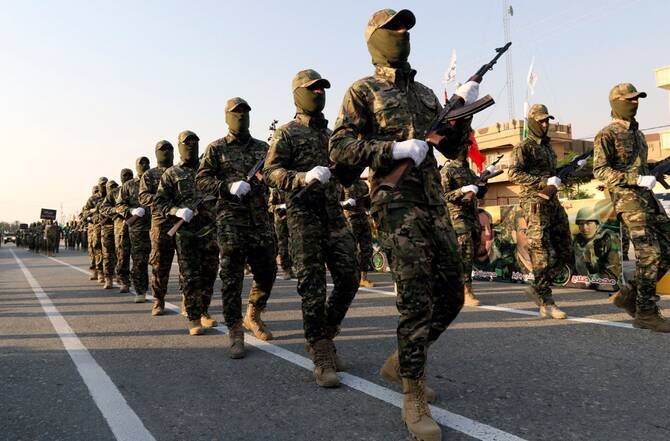
Tensions escalated after reported strikes and retaliatory attacks involving militia groups. Some factions linked to the Popular Mobilisation Forces remain central to the dispute. These groups maintain ties with Iran, adding further complexity to Iraq’s political balance.
Meanwhile, Gulf states expressed growing concern over security threats originating from Iraqi territory. Countries such as Saudi Arabia, Bahrain, and the United Arab Emirates issued formal diplomatic warnings. They urged Baghdad to control armed groups and prevent further escalation.
Gulf Iraq political tensions also increased after drone and missile incidents targeting Gulf infrastructure. These attacks triggered strong responses from Gulf governments. As a result, diplomatic relations faced additional strain across the region.
Furthermore, Iraq’s government continues to face internal political challenges. Competing factions within parliament struggle to form consensus on leadership decisions. This political fragmentation complicates efforts to address security and foreign policy concerns.
In addition, analysts warn that Iraq risks deeper instability if militia influence continues. Some experts argue that armed groups now operate with significant autonomy. Therefore, Baghdad faces pressure to strengthen state authority over all security forces.
At the same time, Iraq tries to maintain balanced relations with both Washington and Tehran. However, this balancing act becomes more difficult amid rising regional tensions. Gulf Iraq political tensions highlight the challenge of maintaining sovereignty while managing external pressures.
Diplomatic sources suggest that further negotiations may continue in the coming weeks. Gulf states continue to push for stronger Iraqi action against armed factions. Meanwhile, Iraq seeks to avoid deeper regional isolation while managing internal divisions.
