
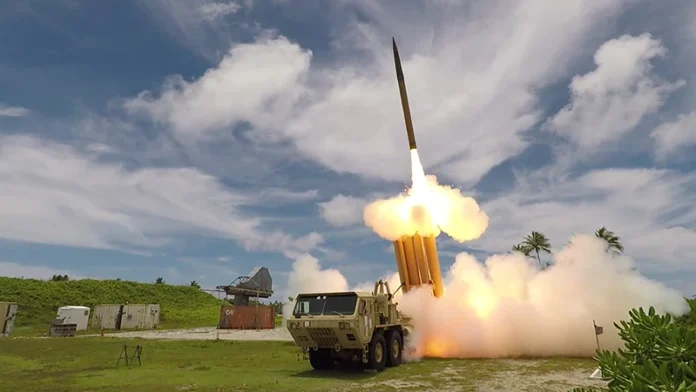
Saudi Arabia reported a strong Saudi air defense response early Tuesday after intercepting multiple aerial threats. The Ministry of Defense confirmed it destroyed 18 drones within hours. Moreover, officials said forces also intercepted 11 ballistic missiles targeting the Eastern Province.
According to defense authorities, the attacks formed part of a wider escalation linked to Iran. However, Saudi forces reacted quickly and prevented significant damage. The Saudi air defense response ensured protection of key infrastructure across the region.
Meanwhile, debris from intercepted missiles fell near energy facilities. Authorities immediately launched damage assessments. Officials continue to monitor the situation closely. They aim to ensure safety and maintain operational stability in affected areas.
Saudi Arabia strongly condemned the attacks. Leaders described them as dangerous and unacceptable. They stressed that such actions violate international law and threaten regional peace. Furthermore, officials accused Iran of continuing destabilizing activities across the Middle East.
At the same time, Gulf countries voiced similar concerns. Members of the Gulf Cooperation Council condemned the escalation. They warned that repeated attacks could trigger broader instability. They also called for urgent international action to prevent further conflict.
Jordan joined the criticism. Officials there highlighted the risks posed to civilians. They emphasized that targeting non-combat zones remains reckless and unjustified. As a result, regional leaders urged stronger coordination to address security threats.
Analysts believe these incidents mark a serious turning point. Tensions between Saudi Arabia and Iran continue to rise. Therefore, defense readiness has become a top priority for Gulf states. Governments now focus on strengthening protection systems and regional cooperation.
Saudi Arabia continues to rely on rapid defense measures to counter threats. The recent Saudi air defense response reflects both preparedness and resilience. However, the situation remains tense as regional actors call for de-escalation and diplomatic solutions.
