
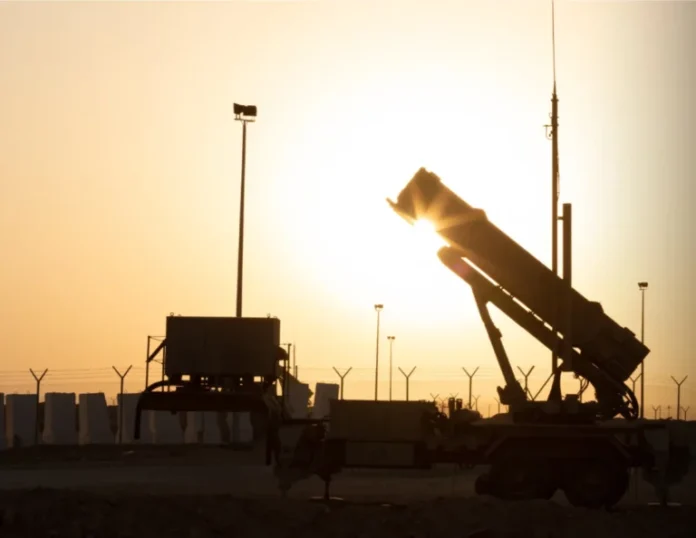
The Gulf missile interception highlights rising tensions as Saudi Arabia and the UAE respond to aerial threats. Both countries activated defense systems to protect their airspace. Moreover, the incidents reflect growing instability across the region.
In Saudi Arabia, defense forces detected a cruise missile approaching national airspace. They immediately tracked its movement and prepared a response. As a result, forces intercepted and destroyed the missile before it reached its target. Officials confirmed the operation through official channels.
At the same time, United Arab Emirates reported similar threats across multiple areas. Defense systems responded quickly to incoming drones and missiles. Consequently, residents heard loud sounds caused by interception activity. Authorities reassured the public that systems neutralized all threats successfully.
According to official updates, the UAE intercepted dozens of aerial threats within a short period. These included ballistic missiles and multiple drones launched toward the country. Therefore, defense teams maintained constant readiness to respond. The Gulf missile interception demonstrates strong coordination and rapid reaction.
Meanwhile, regional tensions have continued to escalate in recent weeks. The conflict involves Iran, Israel, and the United States. Military actions and retaliatory strikes have increased security concerns. As a result, several Gulf nations face heightened risks.
Iran has launched missiles and drones targeting multiple locations. These actions have affected countries hosting foreign military assets. Furthermore, the situation has disrupted regional stability and raised global concerns. Therefore, defense systems across the Gulf remain on high alert.
The Gulf missile interception also highlights the importance of advanced defense technology. Both countries rely on sophisticated monitoring systems to detect threats early. In addition, coordination between military units ensures quick responses. These capabilities help minimize damage and protect civilians.
Authorities continue to emphasize preparedness and vigilance. They encourage residents to stay informed through official updates. At the same time, they stress the importance of regional stability. However, ongoing tensions make the situation unpredictable.
Recent events show a clear pattern of escalation. Each interception reflects growing pressure across the region. Nevertheless, the Gulf missile interception efforts demonstrate a strong commitment to national security. Both Saudi Arabia and the UAE remain focused on protecting their territories amid uncertainty.
