
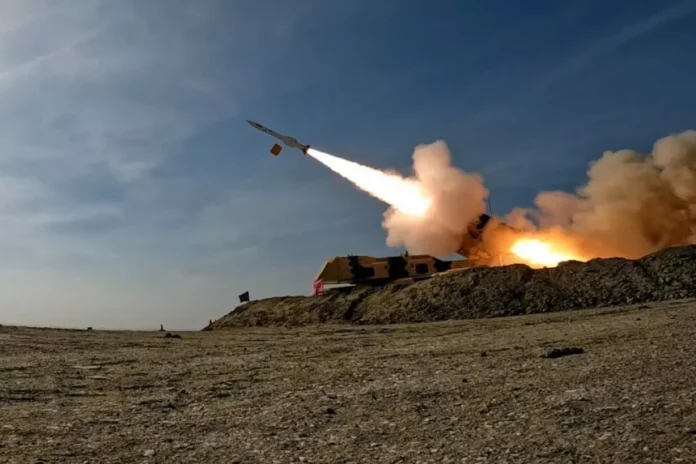
The Saudi Arabia missile interception highlights growing tensions across the region as security threats continue to rise. Authorities confirmed that defense forces acted quickly to neutralize a cruise missile threat. Moreover, this development reflects the increasing pace of regional escalation.
Officials in Saudi Arabia reported that defense systems detected the missile within hours. They immediately tracked its path and prepared for interception. As a result, forces successfully destroyed the target before it reached its destination. This rapid response prevented potential damage and reinforced national security.
Authorities shared the update through official communication channels. They emphasized the effectiveness of their defense systems. Furthermore, they reassured the public that security forces remain fully prepared. The Saudi Arabia missile interception demonstrates strong coordination between monitoring units and response teams.
Regional tensions have continued to intensify in recent weeks. The situation escalated after joint military actions targeted key locations in Iran. These operations caused significant casualties and triggered widespread reactions. Consequently, Iran launched retaliatory strikes using drones and missiles.
Iranian forces have targeted several areas across the region. These include locations in Israel, Jordan, and Iraq. In addition, Gulf countries hosting foreign military assets have faced increased risks. Therefore, defense systems across these regions remain on high alert.
Maritime tensions have added another layer of concern. Iran has imposed restrictions on ship movement through the Strait of Hormuz. This move has raised fears about global energy supply disruptions. As a result, international observers continue to monitor developments closely.
The Saudi Arabia missile interception also highlights the importance of advanced defense technology. Authorities continue to invest in systems that detect and respond to aerial threats. Furthermore, they maintain constant coordination with regional allies. These steps aim to ensure rapid responses to any future incidents.
Despite the challenges, officials continue to stress the importance of stability. They urge all parties to avoid further escalation. In addition, they emphasize diplomatic solutions to ongoing conflicts. However, security forces remain ready to act when necessary.
The situation remains tense and unpredictable. Each new development adds pressure to an already fragile environment. Nevertheless, swift actions like the Saudi Arabia missile interception show a clear commitment to protecting national security and regional stability.
