
Kuwait energy infrastructure stability remains strong despite recent drone and missile attacks targeting oil, power, and water facilities. Authorities report no casualties and confirm operations continue smoothly.
Kuwait Petroleum Corporation reported that fires broke out at the Mina Al-Ahmadi refinery after a drone strike. Emergency teams acted quickly and contained the blaze. Fortunately, no employees suffered injuries. Meanwhile, the ministry of electricity, water, and renewable energy reported damage to a power and desalination complex due to another attack from Iran.
Environmental authorities confirmed that air quality remains within safe limits. The government continues monitoring emissions, ensuring public safety. Furthermore, precautionary measures and emergency plans are in place to maintain uninterrupted services.
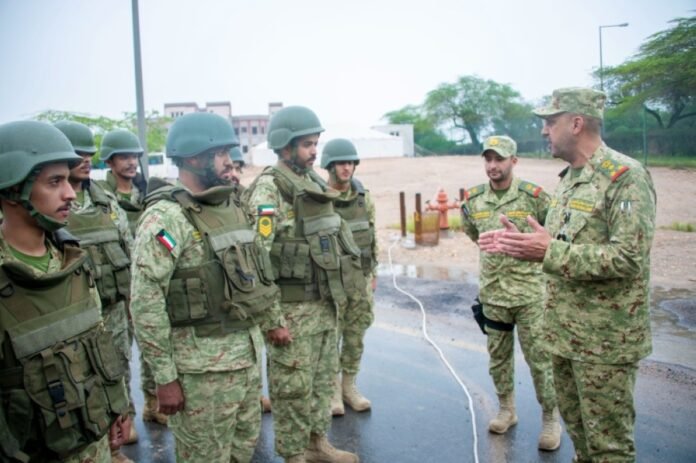
Defense and interior forces intercepted eight ballistic missiles and 19 hostile drones in the past 24 hours. Explosive ordnance disposal teams addressed four additional threats. Despite these repeated attacks, officials confirmed no material damage or casualties occurred during interception operations.
In addition, interior ministry teams responded to 20 cases of falling debris from intercept operations. Since the attacks began, they have handled 669 cases, while sirens sounded 167 times. Authorities praised public compliance with safety instructions.
Power and water operations remain stable. Two facilities sustained minor damage, yet operations continued under comprehensive emergency protocols. Preventive maintenance and mobile generators help maintain uninterrupted electricity and water services, especially ahead of the summer months.
WHO Director-General Tedros Adhanom Ghebreyesus condemned the attacks, warning they could jeopardize civilian safety and healthcare systems. Nevertheless, water and electricity services remained operational without interruption.
Meanwhile, commerce authorities intensified market inspections in Hawally and Farwaniya governorates. They issued 18 violations and 10 warnings concerning pricing, licensing, and unauthorized goods. Emergency measures expanded storage capacity for strategic stockpiles, including temporary and free facilities.
Customs officials emphasized efforts to facilitate trade, streamline procedures, and maintain strict oversight at border points. They continue coordinating with other agencies to ensure smooth movement of goods and vehicles.
The Kuwait energy infrastructure stability demonstrates the country’s resilience in facing external threats. Officials continue proactive measures, reinforcing preparedness, and protecting critical services. Maintaining continuity across oil, power, and water systems remains a top priority. The latest operations show that Kuwait’s energy systems can withstand challenges while supporting economic and public needs.
The Kuwait energy infrastructure stability initiative ensures continued operations, safeguarding both industry and citizens during ongoing regional tensions. Authorities remain vigilant, ready to respond to new threats, and committed to long-term resilience.
