
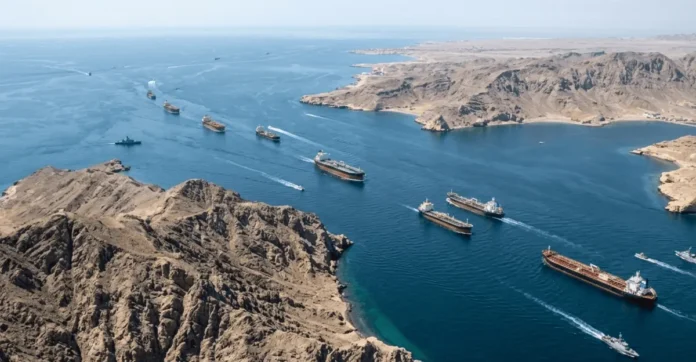
The Iraqi e-commerce disruption continues to grow as the closure of the Strait of Hormuz slows shipments into Iraq. As a result, delivery delays increase, costs rise, and many customers cancel their online orders.
First, online sellers across Iraq report major shipping delays. Many orders now take longer to arrive due to disrupted routes. Therefore, customers often cancel purchases when deliveries fail to meet expectations.
Moreover, small business owners say they struggle to manage rising transport costs. Some sellers try to keep prices stable to attract buyers. However, higher shipping fees reduce their profits significantly.
In addition, sellers communicate directly with customers to explain delays. They often offer refunds when orders arrive late. Consequently, trust between sellers and buyers faces increasing pressure.
Meanwhile, global platforms that supply Iraqi markets also face disruptions. Imports from countries like China now arrive more slowly. This situation weakens one of the key advantages of online shopping.
Furthermore, supply chain issues continue to spread across different sectors. Both sea and air transport routes face higher costs and longer delays. As a result, businesses struggle to maintain steady operations.
Economic analysts highlight deeper consequences of the crisis. They explain that rising oil prices increase shipping costs worldwide. Therefore, product prices rise, and consumers reduce spending.
Experts warn that Iraq depends heavily on imports. This reliance makes the country more vulnerable to global disruptions. Consequently, local markets feel stronger impacts than larger economies.
At the same time, financial pressures add another layer of difficulty. Lower oil revenues can affect currency stability and reduce dollar availability. This situation increases import costs and limits purchasing power.
Moreover, restrictions on financial transfers may affect digital payments. Some consumers may return to cash transactions due to these challenges. As a result, online sales could decline further in the coming weeks.
In parallel, economists describe a broader economic slowdown. They warn about rising prices combined with reduced consumer activity. This trend creates a difficult environment for both sellers and buyers.
However, some experts suggest that local businesses may find limited opportunities. Domestic e-commerce could grow slightly if imports remain restricted. Still, these gains may not offset the overall losses.
The Iraqi e-commerce disruption reflects the wider impact of global trade instability. Each delay and price increase adds pressure on businesses and consumers alike. As the situation continues, the Iraqi e-commerce disruption will likely remain a major challenge for Iraq’s economy.
