
The regional war tensions continue to rise as the United States warns of possible attacks in Iraq. At the same time, multiple countries remain involved, which further complicates the situation.
First, the US embassy warned that Iran-backed militia groups may launch attacks in Baghdad within 48 hours. Therefore, officials urged American citizens to leave Iraq immediately. This warning reflects growing instability in the country.
Meanwhile, China blamed Washington and Israel for the Strait of Hormuz crisis. Chinese officials argued that military actions against Iran caused the disruption. In addition, they called for an immediate halt to the conflict.
At the same time, Iran’s military increased its rhetoric against both the United States and Israel. Leaders promised strong retaliation and vowed to continue the fight. As a result, fears of further escalation grew across the region.
Moreover, Hezbollah launched drones and rockets toward northern Israel. Israeli defense systems responded quickly, and sirens sounded across border areas. However, officials reported no major casualties after the attacks.
In another development, Israeli forces intercepted multiple waves of Iranian missiles. These attacks came shortly after a major US address about the war. Emergency teams responded to impact sites, while reports confirmed several minor injuries.
Meanwhile, oil markets reacted sharply to the ongoing conflict. Prices surged as uncertainty around the Strait of Hormuz continued. Investors grew concerned about supply disruptions and long-term instability.
Additionally, leaders from Australia questioned the direction of the conflict. Officials said that initial objectives had already been achieved. However, they also admitted that no clear end goal exists.
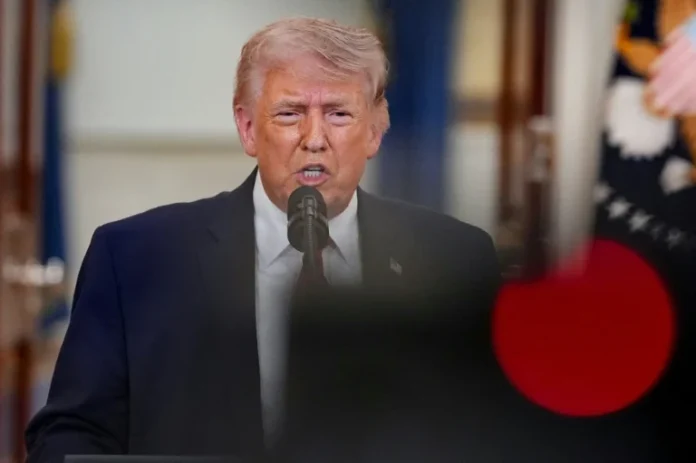
In Washington, Donald Trump stated that the US was close to achieving victory. He also promised further strikes over the coming weeks. However, he did not present a clear plan to reopen key shipping routes.
At the same time, the United Arab Emirates reported intercepting missile and drone threats. These attacks targeted Gulf countries in response to ongoing military actions. Consequently, regional security concerns increased further.
Meanwhile, Iran rejected US demands and denied any ongoing ceasefire negotiations. Officials confirmed that indirect messages had been exchanged through intermediaries. However, they insisted that no direct talks had taken place.
The regional war tensions continue to shape global politics and economic stability. Each new development increases uncertainty across multiple regions. As the situation evolves, the world remains focused on how these regional war tensions will unfold.
