
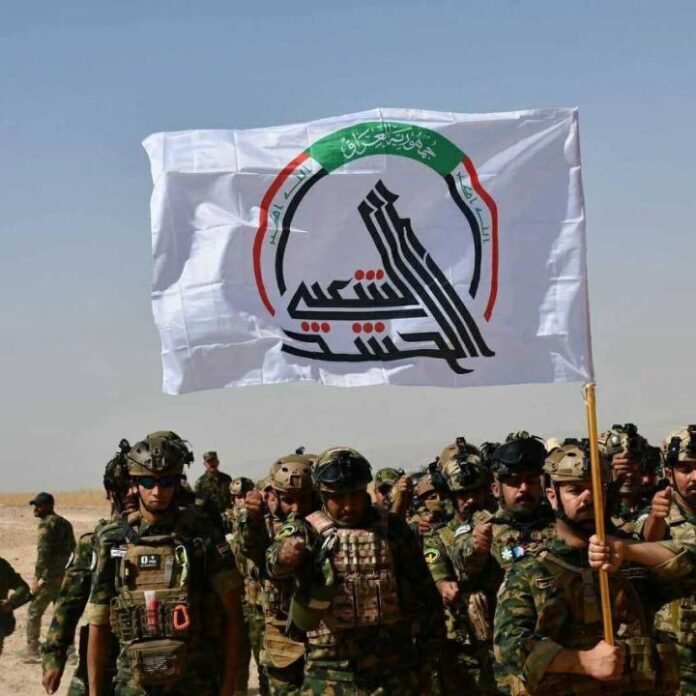
PMF air strike escalation intensified across Iraq after air raids targeted multiple Popular Mobilisation Forces positions before dawn on Thursday. The attacks caused casualties and raised new security concerns across the country.
Moreover, the first strike hit the PMF’s 6th Brigade headquarters in Beiji. This location sits north of Baghdad. As a result, three fighters sustained injuries, including one in critical condition.
In addition, a second attack struck a PMF checkpoint in Salah al-Din province. This strike killed one fighter and injured several others. Therefore, both incidents increased fears of further escalation.
At the same time, officials from the group confirmed the details through official statements. They described the attacks as sudden and highly destructive. Consequently, PMF units increased alert levels across affected regions.
Furthermore, the PMF air strike escalation reflects rising regional tensions. The wider conflict involves multiple international and regional actors. As a result, Iraq continues to face pressure from overlapping security threats.
Moreover, no group immediately claimed responsibility for the strikes. However, analysts linked the attacks to previous operations in Iraq. They suggested possible involvement of external military actors.
In addition, security experts noted a pattern of similar incidents in recent months. These incidents often target Iran-aligned armed groups. Therefore, Iraq remains caught in a broader regional confrontation.
Meanwhile, authorities continue to investigate the incidents. They aim to determine the origin of the air raids. However, uncertainty remains due to the complexity of the conflict.
Furthermore, the PMF air strike escalation adds pressure on Iraq’s internal stability. The government already struggles with balancing security and political tensions. Consequently, these attacks complicate national decision-making.
At the same time, Iraq also faces economic strain linked to regional instability. Disruptions in export routes have affected national revenues. Therefore, security issues directly influence economic conditions.
In addition, ongoing attacks against military and diplomatic sites have increased fears of retaliation cycles. These cycles risk expanding the conflict inside Iraq. As a result, officials call for restraint and stability.
PMF formations operate under state authority but include diverse armed factions. This structure creates challenges for coordination and control. Therefore, Iraq continues working to unify security responses.
PMF air strike escalation highlights the growing volatility in Iraq’s security landscape. Authorities continue monitoring developments closely. PMF air strike escalation remains a key concern as tensions persist.
