
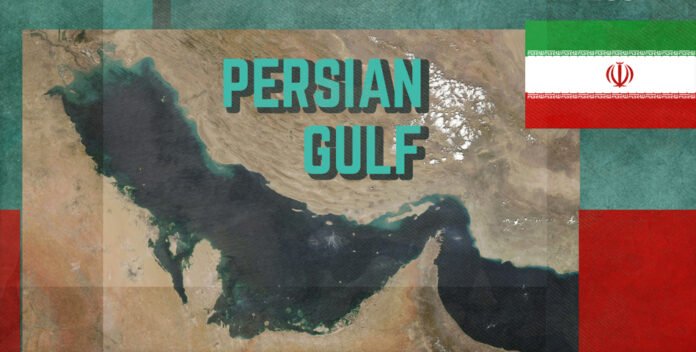
Gulf regional stability has become a defining factor as the conflict continues to evolve across the region. Recent developments indicate a noticeable shift in the trajectory of the war. Iran initially escalated tensions by targeting key infrastructure across Gulf countries using missiles and drones.
These strikes aimed to create a sudden strategic shock. Moreover, they focused on economic facilities and sensitive locations to disrupt normal operations. Analysts suggest that Iran intended to pressure Gulf states into influencing the United States to end the conflict. However, this approach did not achieve the expected results.
Instead, Gulf countries demonstrated strong unity and coordination. They quickly strengthened their defense systems and improved security cooperation. As a result, they limited the impact of these attacks and avoided a broader confrontation. This calculated approach helped contain the situation and prevented further escalation.
In addition, Gulf states relied on defensive deterrence rather than offensive responses. They increased air and naval readiness while maintaining diplomatic engagement. Consequently, they managed to balance military preparedness with political restraint. This strategy allowed them to maintain control without triggering a wider conflict.
Over time, signs of Iranian retreat began to emerge. The nature of attacks shifted from precise strikes to less effective operations. Most of these attempts failed as defense systems intercepted them successfully. Therefore, the element of surprise weakened, and the pace of escalation slowed.
Furthermore, attacks on civilian infrastructure drew strong international criticism. These incidents contradicted Iran’s public messaging and increased global pressure. At the same time, internal challenges within Iran intensified. Economic difficulties and declining oil exports added to public dissatisfaction.
Meanwhile, support from Iran’s allies appeared limited. Some partners chose to avoid direct involvement in the conflict. This cautious stance reduced Iran’s ability to expand its influence. As a result, its regional position faced increasing constraints.
On the other hand, Gulf countries continued to strengthen their role as crisis managers. They combined military readiness with diplomatic initiatives. For example, Bahrain adopted a balanced approach by calling for restraint while condemning attacks. This position reinforced efforts to maintain Gulf regional stability.
Looking ahead, the situation may move toward de-escalation. Iran’s reduced capacity to sustain its strategy could limit further escalation. At the same time, Gulf countries remain committed to maintaining security and stability. Gulf regional stability will likely continue shaping the region’s future path.
