
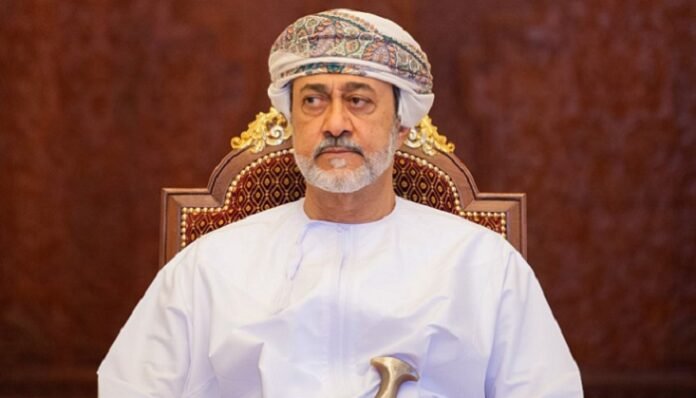
Regional diplomatic efforts intensified on Sunday as Oman’s leadership engaged in urgent talks. Regional diplomatic efforts gained momentum after fresh military escalation shook the Middle East. The calls aimed to contain rising tensions and restore stability across the region.
According to official sources in Oman, Sultan Haitham bin Tariq held separate telephone conversations with Abdel Fattah el-Sisi and Abdullah II. During the discussions, the leaders reviewed recent military developments. They focused particularly on the escalation following strikes on Iran by Israel and the United States.
First, the leaders exchanged views on the security implications. They assessed how the escalation could affect regional stability. Moreover, they examined potential global consequences. Each leader stressed the urgency of coordinated action. They agreed that unchecked conflict could deepen instability.
Furthermore, the conversations highlighted the importance of restraint. The leaders called for an immediate halt to military bombardment. They urged all sides to avoid further escalation. In addition, they emphasized dialogue as the only sustainable path forward. They encouraged diplomatic engagement instead of continued confrontation.
Meanwhile, regional diplomatic efforts continue across multiple capitals. Oman, Egypt, and Jordan maintain active communication channels. These countries often play mediating roles during crises. Therefore, their coordination carries significant diplomatic weight.
Additionally, the talks reflected growing concern about economic fallout. Military escalation often disrupts trade and energy markets. It can also undermine investor confidence. As a result, leaders recognized the broader risks beyond immediate security threats.
At the same time, officials reaffirmed their commitment to international law. They stressed respect for sovereignty and territorial integrity. They also highlighted the need to protect civilians from further harm. These principles guided the tone of the discussions.
Importantly, regional diplomatic efforts remain central to crisis management strategies. Leaders understand that military responses alone cannot resolve complex disputes. Instead, sustained negotiations offer long-term solutions. Therefore, they continue to advocate calm and constructive dialogue.
In conclusion, Sunday’s calls underscored urgent diplomatic engagement. The leaders aligned their positions on de-escalation. They also reinforced their shared commitment to peace and stability. As tensions persist, regional diplomatic efforts will likely shape the next phase of developments.
