
Oman stands with Kuwait as regional tensions rise over disputed maritime boundaries. Oman stands with Kuwait at a sensitive moment for Gulf diplomacy. Moreover, Oman stands with Kuwait while urging dialogue and respect for international law.
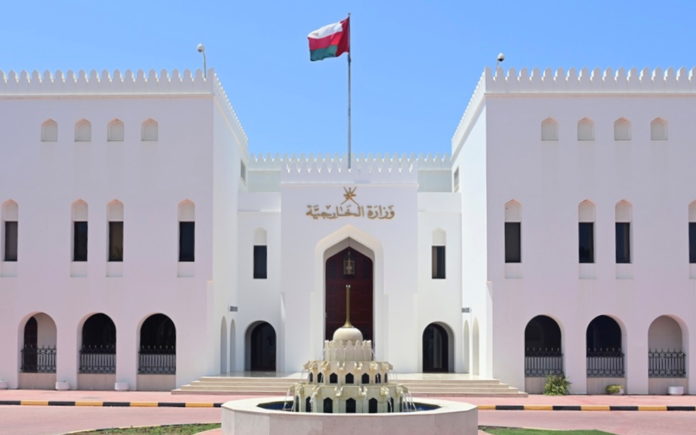
On Monday, the Foreign Ministry of Oman voiced concern over recent developments at the United Nations. Iraq submitted new coordinate lists and maps to the global body. However, Muscat believes those submissions affect Kuwait’s maritime sovereignty.
Officials stated that the documents infringe on the rights of Kuwait. In addition, they stressed that the maps overlap with Kuwait’s recognized maritime zones and elevations. Therefore, Oman publicly affirmed its full solidarity with Kuwait.
Furthermore, the ministry urged the Republic of Iraq to reconsider its position. It called on Baghdad to respect long-standing fraternal relations. At the same time, Oman highlighted the importance of good neighbourly conduct.
Muscat also emphasized adherence to international maritime law. In particular, it referenced the 1982 United Nations Convention on the Law of the Sea. The convention outlines rules governing territorial waters and maritime boundaries. Consequently, Oman encouraged all parties to follow its provisions.
Additionally, the ministry pointed to existing bilateral agreements between Iraq and Kuwait. It noted that the two countries signed several understandings over the years. Therefore, Oman encouraged both sides to respect those commitments.
The statement reflected growing sensitivity around Gulf maritime issues. Maritime borders carry economic and strategic importance. They affect shipping lanes, energy exploration, and regional stability. As a result, even technical adjustments can spark political reactions.
Oman, however, maintained a balanced tone throughout its message. It expressed concern, yet it avoided escalation. Instead, it urged dialogue and legal frameworks to guide any discussions. Moreover, it reaffirmed its consistent support for peaceful solutions.
The dispute centers on maritime elevations and defined sea zones. These areas often determine fishing rights and energy resources. Therefore, governments treat them as matters of national sovereignty. In this case, Kuwait views the new Iraqi submission as problematic.
Meanwhile, Oman framed its response around unity and regional cooperation. It underlined shared history and geographic ties among Gulf nations. Consequently, it called for solutions grounded in law rather than confrontation.
As tensions unfold, regional observers continue to monitor developments. Diplomatic channels remain open, according to officials. Nevertheless, the issue underscores the delicate nature of maritime boundaries in the Gulf.
For now, Oman stands with Kuwait while encouraging restraint. The coming weeks may determine how the parties proceed. However, Muscat’s message sends a clear signal of solidarity within the region.
