
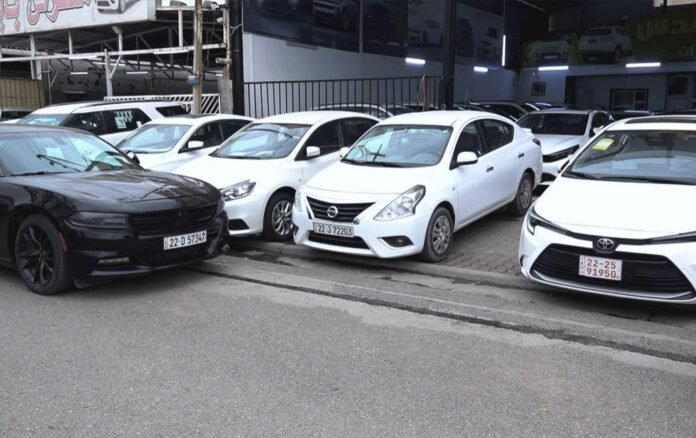
Baghdad’s new regulations on Kurdistan vehicle fees have severely disrupted trade and ownership. The federal government imposed additional customs costs on vehicles with Kurdistan Region plates operating in disputed provinces. Car owners and dealerships must pay millions of extra dinars despite completing previous customs clearance procedures. Officials argue these measures aim to regulate trade, but dealers insist the move has paralyzed business.
Under the recent decision, vehicles cleared in Kurdistan for 1,500,000 dinars must pay 3,500,000 dinars more. The new fees specifically target vehicles operating in Kirkuk, Nineveh, and Diyala provinces in Iraq. Authorities also prohibited temporary Kurdistan plates from entering these provinces without repeating customs procedures. Vehicles receiving permanent plates after June 1, 2025, must undergo full federal customs clearance again.
Nuraddin Zangana, a veteran car dealer, condemned the decision as unfair and economically harmful. He said Baghdad refuses to acknowledge Kurdistan’s established customs procedures for regional vehicle clearance. Zangana explained that temporary plates are valid for two months but not recognized in disputed provinces. Dealers reported authorities seize vehicles immediately, demanding full federal customs payments without exceptions.
The Kurdistan vehicle fees have halted normal business operations across car showrooms and private sales. Temporary registration previously allowed drivers a two-month grace period before permanent license issuance. However, officials in Kirkuk enforce the law strictly, leaving no time for transitional use. Dealers emphasize this enforcement discourages vehicle importation through Kurdistan, affecting regional markets significantly.
Amer Nariman, spokesperson for Kirkuk’s traffic directorate, defended the strict implementation of rules. He clarified that all vehicles entering after June 1, 2025, must pay the customs difference. Nariman warned that temporary plates cannot operate outside official visits to traffic directorates legally. Vehicles from Kurdistan found in bazaars without federal clearance face immediate legal consequences and fines.
Many residents fear the Kurdistan vehicle fees could continue affecting trade and private transportation heavily. Dealers suggest the measures will increase vehicle costs, reduce sales, and limit market competition significantly. Experts warn ongoing disputes between Baghdad and Erbil over customs recognition may worsen economic tensions. The Kurdistan vehicle fees controversy highlights broader challenges in federal-regional cooperation and trade regulation.
