
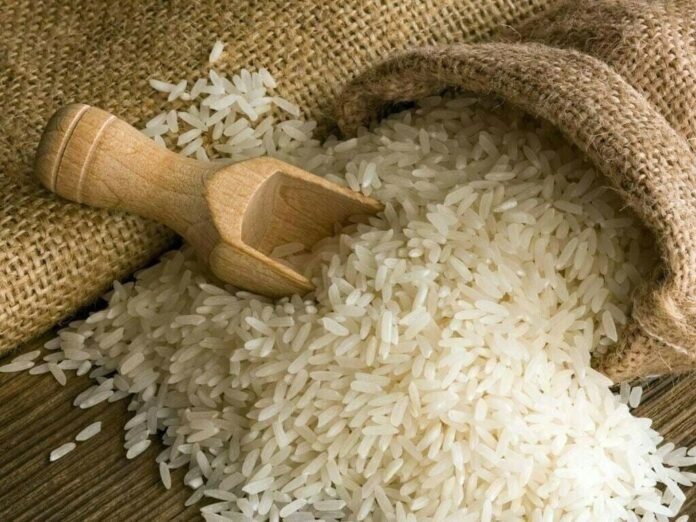
Saudi Arabia has expressed a strong interest in Pakistan’s rice sector through expanded Saudi-Pakistan cooperation. Moreover, the two countries aim to strengthen trade, investment, and regional market engagement. Saudi Assistant Minister of Investment Ibrahim Al-Mubarak met Pakistan’s Commerce Minister Jam Kamal Khan in Islamabad to discuss joint economic initiatives. They focused on corporate farming, mechanisation, and export-oriented agriculture.
Saudi-Pakistan cooperation aims to boost rice production through large-scale farming. Saudi officials noted that Pakistan meets quality standards for rice exports. They also highlighted the importance of mechanisation, modern storage, and improved logistics. These measures could ensure steady rice supplies to Saudi Arabia while supporting sustainable investment.
The discussions extended to other agricultural products. Both sides explored cooperation in fodder crops, including alfalfa, livestock, and selected produce. They also examined Saudi financing institutions’ potential role in supporting export-linked agriculture and infrastructure projects in Pakistan. Leaders agreed that guaranteed offtake arrangements with Saudi Arabia could attract long-term investment.
Furthermore, corporate farming and mechanisation could address productivity constraints in crops like cotton. Declining yields and high labour costs have challenged competitiveness. Saudi-Pakistan cooperation, therefore, seeks to boost output while strengthening downstream industries such as textiles and yarn.
Both countries emphasized investment-driven approaches for broader economic cooperation. They highlighted the need to expand production capacity, enhance competitiveness, and develop value chains. These steps could unlock Pakistan’s export potential and meet rising regional demand sustainably. Additionally, regional markets including Central Asia, Africa, and ASEAN offer high-growth opportunities for joint engagement.
Human resource development emerged as another key area for Saudi-Pakistan cooperation. Both sides recognized shortages in healthcare, hospitality, and technical services. Saudi Arabia shared expertise in vocational training and skills development, suggesting programs that could be replicated in Pakistan. Such initiatives could connect training directly to overseas employment opportunities.
Leaders also discussed collaboration in building materials and construction inputs. Saudi Arabia has substantial demand for limestone, marble, aggregates, and other imported materials. Focused engagement between Pakistani suppliers and Saudi trading companies could deliver quick results through private-sector matchmaking.
Finally, both countries explored opportunities in pharmaceuticals, sports goods, footwear, and light manufacturing. They recognized Pakistan’s growing industrial base and the potential for joint ventures, contract manufacturing, and regional market targeting. Saudi-Pakistan cooperation, therefore, spans agriculture, industry, and human capital development.
