
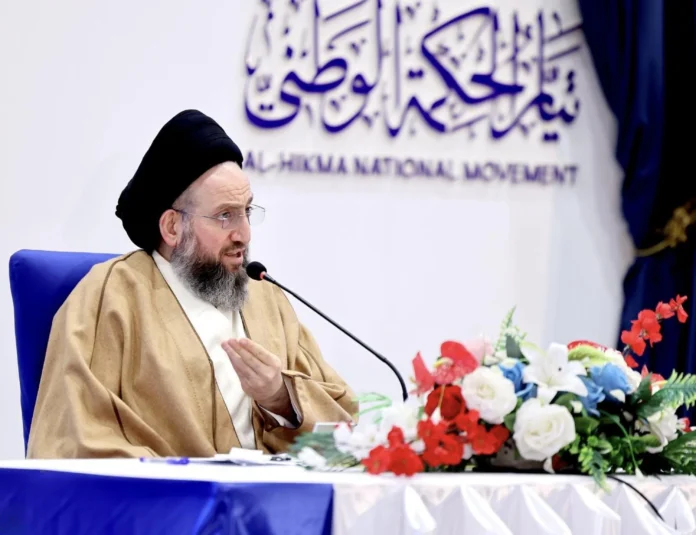
A prominent Iraqi Shiite leader has issued a significant political proposal. Ammar al-Hakim called for formalizing a major Shiite alliance. He leads the National Wisdom Movement, known as Hikma. Hakim deemed this institutionalization essential for political development. He stressed its importance during a meeting on Saturday. The move aims to safeguard Iraq’s hard-won political stability. This call comes during a delicate government formation period.
Hakim addressed his movement’s advisory board in the meeting. Therefore, they discussed Iraq’s latest political and regional developments. The leader emphasized maintaining national security and stability. However, he urged preparedness for surrounding national challenges. The Coordination Framework needs a formalized structure now. Hakim argued this step develops political action significantly. The Framework served as an important model recently. Moreover, it played a prominent role in achieving current political stability.
The Coordination Framework originally formed in 2022. It united Iraq’s top Shiite political forces together. The bloc aimed to challenge rival cleric Muqtada al-Sadr. Sadr attempted forming a national majority government then. Furthermore, the Framework successfully nominated Mohammed Shia al-Sudani later. Sudani became prime minister after Sadr’s withdrawal. Also, the bloc has held primary governing power since that time. Hakim’s proposal seeks to solidify this alliance’s future.
Iraq currently faces a protracted government formation process. The ruling Shiite bloc must select the next prime minister. Moreover, Internal hesitation surrounds candidate Nouri al-Maliki now. Washington recently rejected his nomination outright. President Donald Trump issued a strong warning publicly. The Framework still kept Maliki as its nominee last week. Unconfirmed reports suggest Hakim opposed this decision internally. He possibly advocated for withdrawing Maliki’s nomination.
The institutionalization push addresses this internal friction. A formal structure could streamline future decision-making. It might prevent disputes over key nominations later. This process is crucial for ongoing political stability. Hakim’s call reflects a desire for enduring governance systems. The Framework’s current model relies on informal agreements. Institutional rules would provide clearer operational guidelines. The coming days will test this proposal’s reception.
