
Qatar continues to lead regional efforts in promoting a holistic approach to drug prevention. This message came during the Fourth National Human Rights Forum in Doha. Experts emphasized that addressing addiction requires a combination of public health, human rights, and social strategies.
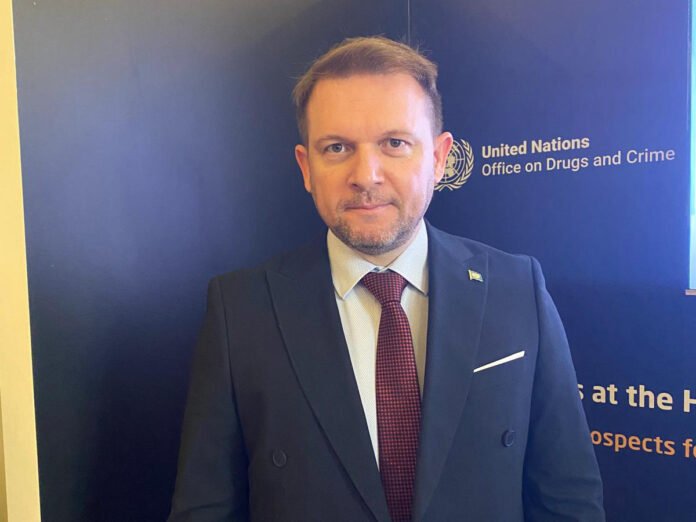
Mustafa Ünal Erten, chief of the UNODC Regional Centre for Combating Cybercrime in Doha, spoke on the sidelines of the forum. He stressed that global instability, crises, and conflict increase drug-related risks. Criminal networks often exploit vulnerable populations during these periods.
“When governments face disruption, people endure economic, psychological, and personal pressures. Criminals take advantage of these conditions to promote drugs,” he explained. Therefore, early intervention becomes crucial to protect communities.
Erten highlighted the role of social support systems. Strong families, community networks, and institutions reduce the chances of exploitation. Without these protective frameworks, individuals become more susceptible to drug-related harm. Consequently, prevention must integrate social, institutional, and educational measures.
He also emphasized the human rights dimension of prevention. Communities, especially youth, need safe environments both online and offline. Empowering individuals with knowledge about risks and solutions reduces criminal influence. Tackling drug challenges requires society-wide engagement, not just law enforcement.
Qatar’s National Human Rights Committee has prioritized linking drug prevention with human rights. This strategy reduces stigma and discrimination against affected individuals. It also ensures that public health policies remain inclusive and effective.
Erten further stressed that a holistic approach to drug prevention addresses addiction as both a criminal and public health issue. Governments must coordinate law enforcement, healthcare, customs, rehabilitation centers, and treatment programs. This combined effort creates stronger safeguards against drug-related harm.
Modern technology, including AI and fast communication tools, has complicated drug prevention. Criminals use these tools to distribute substances efficiently. However, Qatar’s Regional Centre for Combating Cybercrime pioneers measures to counter these threats while supporting prevention initiatives.
He also highlighted strong cooperation between UNODC and Qatar across multiple sectors, including interior, customs, and foreign affairs. This partnership ensures that prevention efforts remain evidence-based, rights-focused, and technologically informed.
Erten concluded that only a holistic approach to drug prevention can reduce vulnerabilities and limit criminal exploitation. Early detection, social support, human rights protections, healthcare, and technology-aware strategies must work together.
Overall, Qatar’s model demonstrates how coordinated, multi-dimensional strategies can tackle complex drug-related challenges effectively. The country’s efforts provide a blueprint for others seeking sustainable solutions to addiction.
