
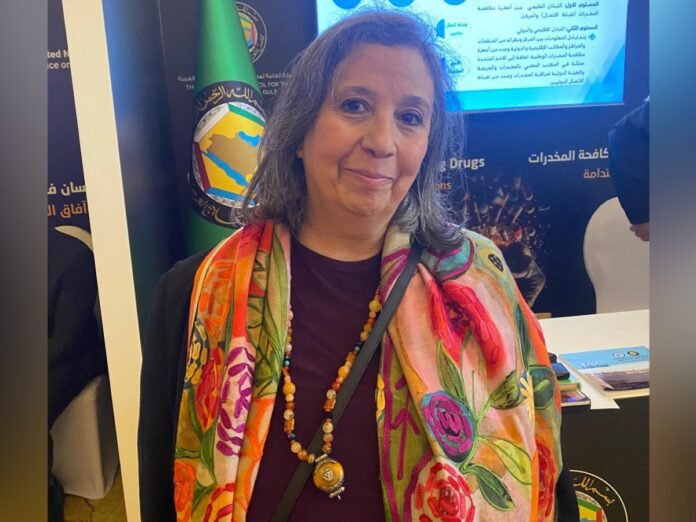
Qatar continues to highlight the importance of human rights-based health interventions in addressing addiction and protecting public health. This message emerged during discussions at the Fourth National Human Rights Forum held in Doha.
The Director of the World Health Organization office in Qatar spoke on the sidelines of the forum. She stressed that human rights must guide policies tackling drug addiction. According to her, addiction represents a health and social issue, not only a criminal one.
She explained that forums like this play a vital role. They bring together experts from health, law, and social sectors. As a result, multidisciplinary cooperation becomes possible and more effective.
Moreover, she emphasized that access to prevention and treatment remains essential. People need reliable information and healthcare services without discrimination. Evidence-based policies must guide all interventions.
She added that data and research strengthen public health responses. When policymakers rely on facts, outcomes improve. Therefore, science-driven strategies remain crucial.
Turning to Qatar’s role, she noted that the country leads regional efforts in addiction research. Qatar examines addiction from medical, social, and psychological perspectives. Consequently, its programs address the full scope of the issue.
She also highlighted the importance of sharing experiences among countries. Cooperation helps detect risks early. It also allows governments to act before problems escalate.
In this context, she praised efforts to frame addiction as a human rights issue. Addressing the rights of affected individuals changes public perception. It also encourages compassion rather than stigma.
She explained that the forum recognizes all stakeholders. These include people living with addiction, families, healthcare workers, and law enforcement. Therefore, solutions become more inclusive and realistic.
She stressed that reactive approaches often fail. Waiting until addiction rates rise causes greater harm. Instead, early detection and prevention protect communities more effectively.
Furthermore, accessible treatment services remain a priority. Without them, recovery becomes difficult. Communities then face long-term social and economic consequences.
She underlined that human rights-based health interventions offer sustainable solutions. They place dignity and care at the center of public health responses. This approach strengthens trust between communities and institutions.
Discussing cooperation with Qatar, she praised the country’s proactive health policies. Research projects and training programs continue across local health centers. These initiatives aim to improve service quality and awareness.
Training plays a critical role in this process. Families, doctors, and pharmacists all benefit from specialized programs. These tools promote ethical and rights-focused healthcare practices.
She noted that Qatar’s experience offers lessons for other countries. Nations with resources can adapt similar models. Meanwhile, countries facing crises may need international support.
She explained that expecting struggling states to act alone remains unrealistic. Shared responsibility becomes necessary. Therefore, successful models like Qatar’s can guide collective efforts.
She concluded that addiction requires comprehensive action. Society must engage fully in prevention and treatment. Policies must remain evidence-driven and inclusive.
Overall, the forum reinforced the value of human rights-based health interventions. It also highlighted Qatar’s growing role in promoting balanced health strategies. Through cooperation and early action, communities can better address addiction challenges.
