
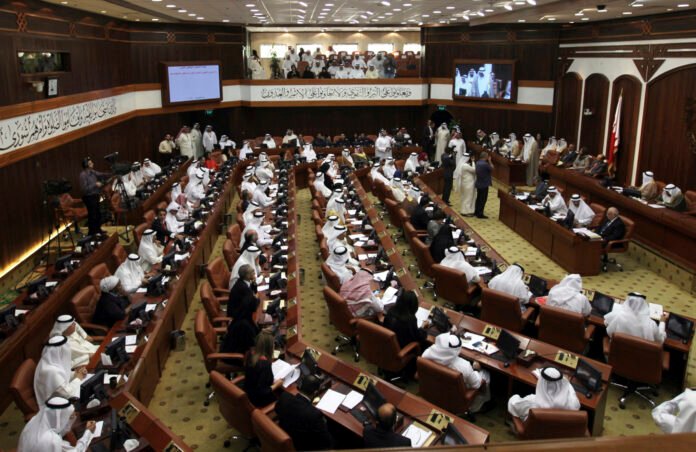
Employment reform in Bahrain has become a growing topic after new figures revealed thousands of jobs remain unfilled despite ongoing recruitment efforts. The issue sparked debate after MP Hassan Ibrahim commented on a parliamentary committee report examining job vacancies and unemployment trends across the country.
Ibrahim said the latest findings show the problem does not stem from a shortage of available jobs. Instead, he argued that weak management and ineffective hiring systems continue to prevent candidates from securing employment. He stressed that authorities must review recruitment mechanisms and improve how institutions connect job seekers with available positions.
According to the report, more than 59,000 advertised jobs remained vacant in recent years. That figure represents nearly 60% of total opportunities offered during the same period. Ibrahim described the numbers as evidence of a structural imbalance within the employment system.
He explained that authorities should focus on turning vacancies into stable jobs rather than publishing large recruitment figures. In his view, the success of any hiring system depends on the number of applicants who receive permanent contracts. He added that a vacancy fulfillment rate below 50% reflects a serious weakness in current employment procedures.
The lawmaker also highlighted the lack of technical explanations behind the failure to fill thousands of positions. He called for deeper investigations into the hiring cycle, including applicant screening, job matching, and follow-up processes. He warned that continuing the same approach could worsen unemployment concerns in the future.
employment reform in Bahrain, he said, requires accurate performance indicators and clear accountability measures. Ibrahim proposed creating an annual operational efficiency index to track how successfully authorities convert vacancies into active employment. He believes such a system would provide clearer insight into labor market performance.
In addition, he urged officials to publish regular statistics on unemployment duration among job seekers. He noted that this data could help identify weaknesses within recruitment programs and training policies. He also stressed that decision-makers need reliable information to improve planning and workforce development.
The report further revealed that more than 20,000 people continue to receive unemployment benefits each year. Ibrahim argued that these figures point to unresolved economic and administrative challenges. He said the continued rise in benefit recipients proves the current employment mechanism lacks effectiveness.
The discussion has also renewed concerns about education and specialization planning. Ibrahim indicated that some academic fields may no longer match labor market demands. As a result, he suggested authorities may need to reconsider admissions in certain specializations to reduce future unemployment pressure.
Analysts believe employment reform in Bahrain will remain a major political and economic issue in the coming months. Lawmakers continue to push for faster reforms as unemployment concerns affect both graduates and experienced workers seeking stable opportunities.
