
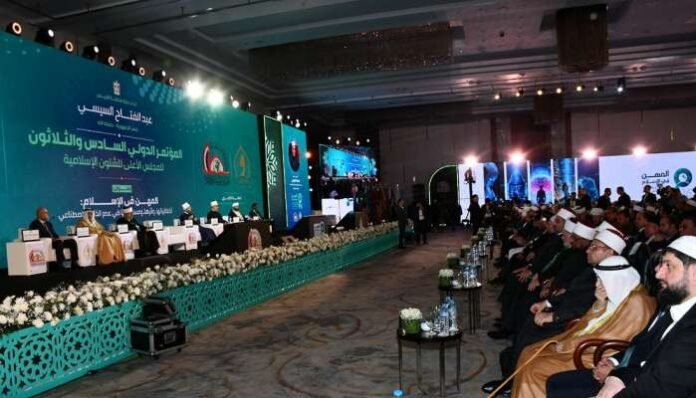
Oman emphasized the importance of ethics in work and professions during its participation in the 36th International Conference of the Supreme Council for Islamic Affairs in Egypt. The delegation, led by the Minister of Endowments and Religious Affairs, highlighted how moral responsibility must guide professional life. Furthermore, Oman stressed that technology should support, not replace, human ethical values in workplaces. By combining development with values, Oman aims to ensure progress benefits both individuals and society.
The conference, hosted in Cairo, brought together leaders and experts to discuss challenges facing modern societies. Oman highlighted that the digital revolution and artificial intelligence have reshaped labor and production. Moreover, these changes demand rethinking ethical standards in every profession. Officials explained that preserving human responsibility remains crucial despite rapid technological transformations. Thus, Oman encouraged a balanced approach that integrates efficiency with moral principles.
During his address, the Minister stressed that work represents a trust, or Amanah, not just a task or source of income. This perspective ensures that professions maintain their dignity while contributing positively to society. He further noted that true progress is measured by integrity and ethical practice, not just technical advancement. Doctors, judges, businesspeople, and artisans all play roles in sustaining societal values. Consequently, ethical principles must guide decisions and professional behavior.
Oman also highlighted its domestic experience in fostering ethics in work and professions. By instilling values in the workplace, the country aims to build trust, maintain balance, and promote sustainable development. These initiatives, officials explained, support labor policies, education, and professional curricula. They provide a framework for ensuring that technological progress complements human dignity rather than diminishing it.
Furthermore, the delegation called on religious and scientific institutions to participate actively in global discussions. They stressed that collaborative efforts can strengthen professional ethics and guide labor policies worldwide. As societies advance, Oman urged continuous engagement to preserve human responsibility. Officials noted that leadership, moral guidance, and thoughtful decision-making are essential to navigate technological and social changes effectively.
Finally, Oman concluded that the conference offers a unique opportunity to integrate ethics with contemporary challenges. By focusing on ethics in work and professions, societies can ensure that professions remain meaningful and socially responsible. Through dialogue, cooperation, and practical initiatives, Oman demonstrated its commitment to ethical leadership, sustainable development, and the protection of human dignity in the modern age.
