
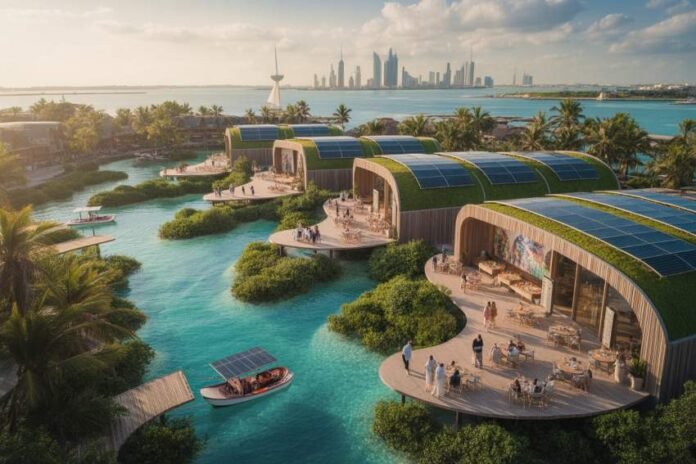
Kuwait has announced a bold tourism initiative through the Green Island transformation plan, targeting completion by 2027. Officials aim to reposition the island as a modern and sustainable leisure destination. Moreover, the project reflects growing focus on domestic tourism.
Authorities revealed the redevelopment vision during an official presentation in Kuwait City. The plan prioritizes integration between recreation, culture, and environmental sustainability. At the same time, officials emphasized long-term economic value.
Green Island has remained a key recreational destination for decades. Since 1988, families and visitors have frequented the island regularly. Additionally, the island holds historic importance as a regional landmark.
Planners confirmed that redevelopment will respect the island’s heritage. However, the project will introduce advanced facilities and updated infrastructure. Therefore, tradition and innovation will coexist.
The project includes waterfront restaurants and cafés overlooking the sea. Furthermore, developers will add a glass dome for events and exhibitions. These features aim to attract diverse visitor groups.
Wellness and fitness centers will support healthy lifestyles. In addition, the plan includes a modern theater for cultural performances. Children’s play areas will also expand.
Developers will add sports clubs and multipurpose halls. Meanwhile, cultural and educational spaces will host workshops and activities. Consequently, the island will serve multiple community needs.
Green zones will increase across the island. Walking paths and sports tracks will encourage outdoor activity. Moreover, landscaping will improve the island’s visual appeal.
Sustainability remains a central project pillar. Developers plan to use renewable energy systems. Furthermore, marine conservation measures will protect surrounding waters.
Private sector partnerships play a major role in implementation. Authorities believe collaboration accelerates delivery and improves quality. As a result, the project benefits from shared expertise.
The Green Island transformation plan also supports economic diversification goals. Officials expect increased tourism spending. Additionally, the project strengthens non-oil revenue streams.
Small and medium enterprises will benefit from service opportunities. Event management, hospitality, and retail sectors will see growth. Therefore, job creation remains a key outcome.
Government agencies continue coordination efforts with private companies. Moreover, civil society input helps refine project details. This cooperation ensures balanced development.
Digital platforms will support international promotion. Tourism authorities will highlight the island through online campaigns. As a result, global visibility will increase.
Performance metrics will track visitor satisfaction and service quality. In addition, officials will monitor operational standards. These tools ensure accountability.
The project focuses on experience rather than infrastructure alone. Designers aim to deliver safety, cleanliness, and accessibility. Therefore, visitor comfort remains a priority.
Cultural preservation also guides the design approach. Historic elements will remain visible. At the same time, modern aesthetics will enhance usability.
The Green Island transformation plan reflects Kuwait’s evolving tourism strategy. The initiative blends culture, leisure, and sustainability. Ultimately, the project positions Kuwait as a competitive regional destination.
