
Iraq launched a new environmental initiative to address escalating drought conditions across the country. This effort reflects the growing urgency behind the Iraq artificial rain plan amid climate pressures. Therefore, the government has begun exploring advanced weather modification technologies.
Officials confirmed plans to establish a national center focused on artificial precipitation and water stability. The initiative aims to induce rainfall using cloud seeding methods. Moreover, the program would cover both Iraq and the Kurdistan Region. As a result, authorities hope to reduce water shortages.
The proposed center plans to rely on modern tools such as drones and balloons. These tools would emit electrical charges to stimulate rainfall. Additionally, ion-based cloud charging remains under consideration. Such technologies seek to increase moisture accumulation within clouds.
The initiative forms part of a broader national strategy to address water scarcity. Iraq continues to face rising temperatures and declining rainfall. Consequently, water stress has intensified across many regions. International assessments rank Iraq among the most climate-vulnerable countries.
Officials explained that drones and balloons could operate effectively in flat and lowland areas. Meanwhile, ion-based methods could serve mountainous regions. Therefore, planners intend to divide the country into four climate zones. This structure allows targeted rainfall efforts.
Decision-makers plan to determine geographic priorities once the center begins operations. Until then, committees continue evaluating technical and environmental requirements. Furthermore, planners aim to ensure scientific oversight and environmental safety.
Authorities have begun reviewing companies with regional cloud seeding experience. Many of these firms operate across the Middle East. In addition, the proposal includes training programs for Iraqi specialists. These programs could last up to five years.
The initiative brings together government bodies and academic institutions. Participants include agriculture, water resources, environment, industry, and higher education sectors. Universities and meteorological experts also contribute. This cooperation strengthens planning and research capacity.
Officials plan to affiliate the center directly with the Council of Ministers. The structure would allow independent operations and national coordination. Consequently, the center could respond quickly to climate challenges.
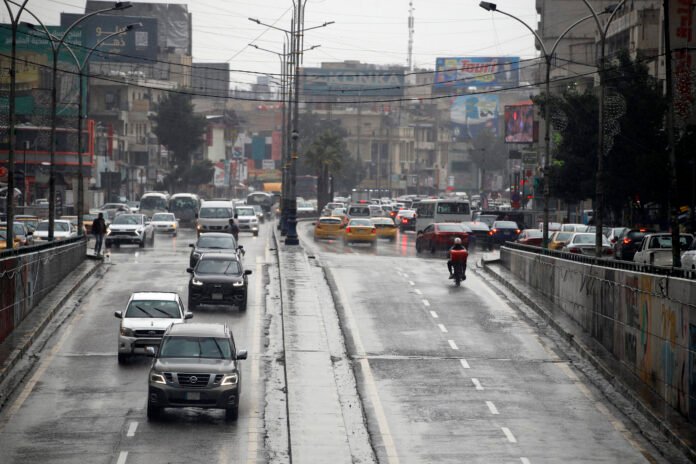
Recent weather events highlight Iraq’s water volatility. Heavy rainfall recently caused flash floods across several regions. These floods damaged homes and infrastructure. However, officials caution against relying on irregular storms.
Water levels in regional dams increased following recent rainfall. Still, experts warn that long-term reserves remain fragile. Drought continues to affect several provinces. In some areas, residents have abandoned villages.
Iraq depends heavily on the Tigris and Euphrates rivers. However, upstream dams have reduced downstream water flow. Additionally, climate change and mismanagement worsened shortages. Therefore, officials view the Iraq artificial rain plan as one solution.
Environmental experts stress that artificial rain cannot replace water management reforms. Instead, they see it as a complementary tool. Moreover, sustainable planning remains essential. Authorities acknowledge these concerns.
In conclusion, Iraq continues searching for innovative responses to its water crisis. The artificial rain initiative reflects growing climate awareness. Ultimately, the Iraq artificial rain plan represents a strategic effort to protect water security.
