
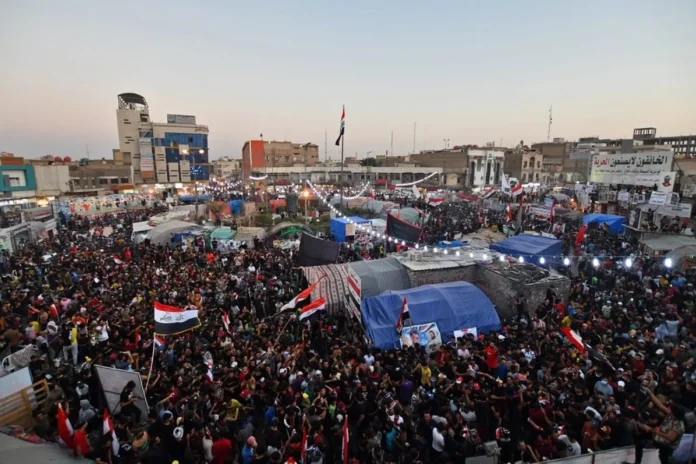
Iraq’s first national census in nearly forty years has revealed Iraq’s population challenge, highlighting rapid growth far outpacing infrastructure development. Conducted in November 2024, the census recorded over 46 million residents across eight million households. Moreover, the survey shows a youth-heavy society, with more than 60 percent aged 15 to 45. Clearly, Iraq’s population challenge is now a central factor in shaping national development and planning.
The Ministry of Planning views the census as more than data collection. Spokesperson Abdul Zahra al-Hindawi explained it offers a roadmap to redirect investment and improve coordinated national planning. Furthermore, the numbers highlight geographic pressure zones that have long been visible but never fully quantified. Cities like Baghdad, Basra, Erbil, and Najaf face internal migrations that stress service networks and accelerate unregulated urban sprawl.
Economic experts warn that the youth-heavy population requires expanded opportunities. Iraq’s labor market remains heavily reliant on public-sector employment and oil revenue, which cannot keep pace with population growth. Member of Parliament Mohammed al-Baldawi said the country struggles to translate its demographic weight into economic momentum. Agriculture, industry, and commerce still provide limited job creation for an expanding workforce.
Housing pressure further illustrates the gap between population growth and state capacity. Older homes sell for 100–150 million dinars, while new or central units can exceed 250 million dinars. Irregular private-sector jobs make mortgage access difficult and exclude many households from formal credit systems.
Former Planning Minister Nouri al-Dulaimi warned that approaching a 50-million population without investment-led development could worsen unemployment, service shortages, and housing crises. Similarly, economic analyst Ahmed Abdul Rabah stressed that population growth itself is not the crisis—governance is. Electricity, water, sanitation, hospitals, and schools already operate beyond capacity, especially in urban centers.
Classrooms often host 50–70 students, hospitals exceed designed patient limits, and electricity systems strain under increased demand and heatwaves. Urban expansion further outpaces municipal services. Additionally, vocational training programs remain limited, private-sector lending is weak, and regulatory barriers discourage entrepreneurship.
In conclusion, experts agree that Iraq’s population challenge will only become manageable through disciplined planning, diversified investment, and political commitment. Without these measures, unemployment, informal labor, housing instability, and stressed public services will continue to rise, threatening long-term stability and growth.
