
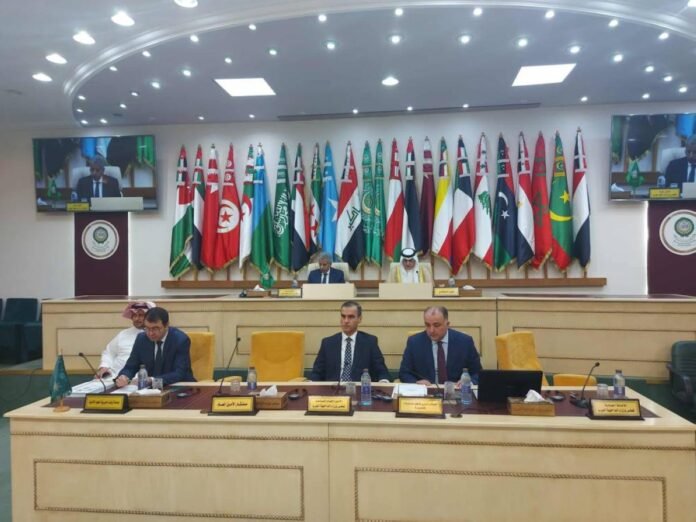
Kuwait’s Interior Ministry has earned international recognition for its outstanding anti-drug coordination. Moreover, the ministry received two prestigious awards during the 39th Arab Conference of Heads of Anti-Narcotics Agencies, held in Tunisia. These accolades celebrate Kuwait’s leadership in combating narcotics both regionally and globally, highlighting its strong commitment to effective anti-drug coordination.
Firstly, the ministry received the award for best operational field information cooperation at the Arab level. In addition, it earned the second award for its performance at the international level. Both awards are granted annually by the Council of Arab Interior Ministers to agencies demonstrating exceptional results in anti-drug operations. Consequently, this recognition underscores Kuwait’s dedication to strengthening security and protecting communities from narcotics threats.
Furthermore, the conference brings together heads of drug control agencies from Arab nations. Additionally, representatives from the GCC Criminal Information Center for Drug Control, the United Nations Office on Drugs and Crime, the EU Agency for Drugs and Crime, and other international organizations participated. Their collaboration ensures the rapid exchange of intelligence on emerging narcotics trends and smuggling methods, thereby promoting effective anti-drug coordination across borders.
Moreover, discussions at the conference focused on organizing an annual Arab Week for Drug Prevention and Control. Experts also reviewed developments in drug production, consumption patterns, and trafficking methods. They additionally examined enforcement strategies and their impact on the Arab region. The event encourages countries to adopt proactive measures, share expertise, and improve operational efficiency.
Notably, the Secretary-General of the Council of Arab Interior Ministers emphasized the evolving nature of the narcotics trade. He further stressed the importance of joint security efforts, timely information sharing, and preventive awareness campaigns. Specifically, initiatives like Arab Traffic Week and the Arab Week for Awareness of Extremism and Terrorism serve as successful models for public engagement.
Finally, Kuwait’s recognition for excellence in anti-drug coordination reflects years of strategic planning, intelligence sharing, and enforcement. Therefore, these awards confirm that sustained regional collaboration and proactive policies remain crucial in addressing the challenges posed by narcotics in the Arab world.
