
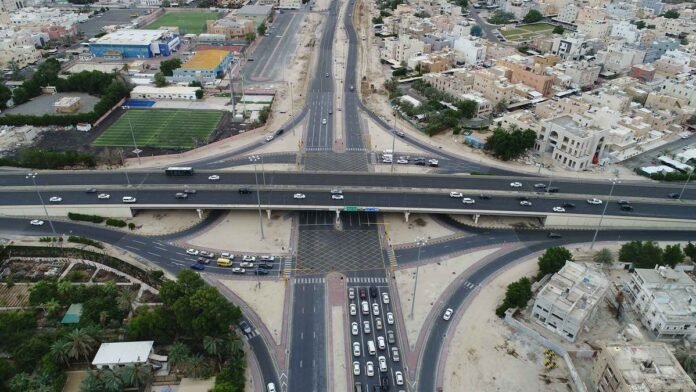
Kuwait is rolling out a bold street renumbering plan to improve navigation and urban management. This initiative reflects the government’s focus on modernizing infrastructure while easing residents’ daily lives.
On Sunday, the Municipal Council approved the street renumbering plan during an extraordinary session. They also confirmed the Committee for Studying Proposals and Requests’ recommendations on naming cities, suburbs, and areas. Council members discussed the plan to ensure clarity and consistency across neighborhoods.
As part of the project, the government will rename three streets after Arab capitals. Meanwhile, 66 existing street names will remain, preserving familiarity in key areas. Officials emphasized that numbering will become the main identifier for most roads, simplifying urban navigation and public services.
The plan follows a ministerial decision from August, which tightened rules for street and square naming. Authorities now require numbered streets as the primary method of identification. They allow naming streets after countries, cities, or capitals only based on reciprocity. Other categories, such as heritage terms, historical events, or organizations, are excluded.
Urban planning experts say the street renumbering plan will improve emergency response, postal delivery, and mapping systems. It will also make city expansion and maintenance easier. Residents will notice clearer street signs, more organized neighborhoods, and faster travel routes.
Additionally, the government highlighted that the renumbering will support smart city initiatives. Digitally mapping streets and integrating GPS systems will enhance public transport efficiency and reduce traffic congestion. Municipal officials plan to coordinate with utility companies, ensuring street numbering aligns with services like water, electricity, and internet connections.
The Municipal Council encourages citizens and businesses to learn the new street numbers. Authorities will provide updated maps, online tools, and guidance to guarantee smooth adoption. Public awareness campaigns will explain the benefits of the changes, highlighting improved safety and convenience.
Overall, Kuwait’s initiative showcases the government’s commitment to modern, organized cities. By implementing the street renumbering plan, the country ensures better urban navigation, efficient public services, and a more connected urban environment for everyone.
