
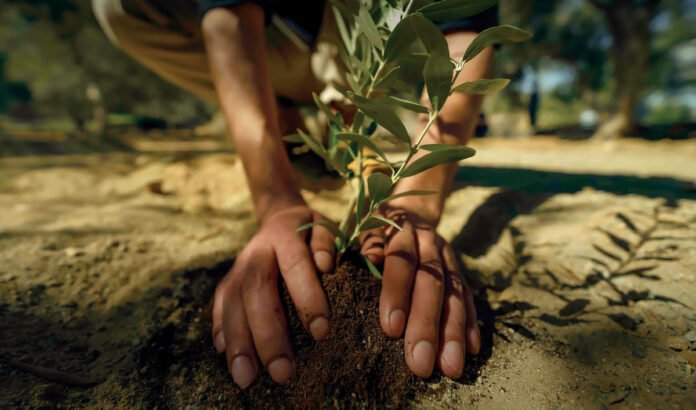
Mangrove reforestation in Saudi Arabia is accelerating as part of a broader plan to protect coastal ecosystems and fight climate change. This effort also supports tourism goals and helps strengthen biodiversity across the Kingdom.
On the International Day for the Conservation of the Mangrove Ecosystem, officials reaffirmed their commitment to planting millions of mangroves. These trees play a vital role in absorbing carbon, protecting shorelines, and offering natural habitats to marine life.
Currently, mangrove reforestation in Saudi Arabia focuses on several coastal regions. Areas like Jazan, Makkah, Tabuk, Madinah, Asir, and the Eastern Province host extensive restoration efforts. These projects use local nurseries and involve public and private partners to ensure long-term success.
Experts highlight that mangrove forests prevent erosion, reduce storm damage, and trap pollutants. Their roots create safe breeding spaces for shrimp and fish, while their branches support nesting birds. As a result, these forests serve both environmental and economic functions.
The Saudi Green Initiative, launched in 2021, aims to plant over 100 million mangrove trees by 2030. This target supports the Kingdom’s 2060 goal of achieving net-zero emissions. Authorities consider mangroves a high priority due to their ability to store carbon in both soil and biomass.
In addition, mangrove reforestation in Saudi Arabia now relies on modern tools. Geographic information systems, drones, and satellite imagery help teams choose ideal planting sites. Factors like salinity, sediment type, and tide patterns guide their decisions.
To protect young trees, teams use fencing and camera traps. These precautions help stop animals from damaging vulnerable saplings. The National Center for Vegetation Cover oversees these measures to ensure survival and growth.
Tourism also benefits from these efforts. Mangrove forests offer unique experiences such as kayaking, birdwatching, and nature tours. Eco-tourism companies promote these activities as part of the Kingdom’s Vision 2030 goals.
Overall, as awareness grows, Saudi Arabia continues to position itself as a global leader in environmental conservation. With every planted tree, the Kingdom takes a step toward sustainability, resilience, and diversified tourism.
