
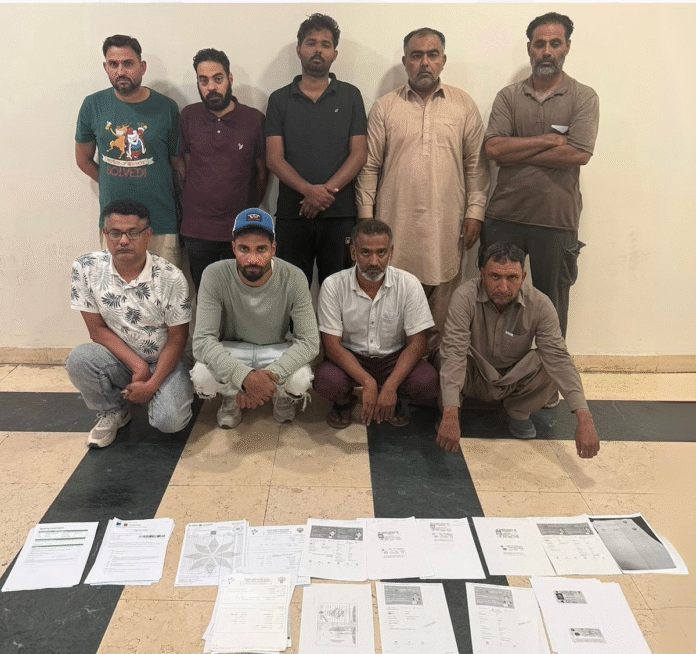
Visa fraud gang exposed in Kuwait following a major investigation by law enforcement authorities. This bust has revealed an international operation involving several countries and individuals. The discovery is part of a broader crackdown on illegal visa activities.
Authorities launched the investigation after spotting suspicious visa applications. Soon after, security teams uncovered fraudulent employment contracts tied to fake companies. Investigators discovered that some companies existed only on paper to secure visa approvals.
As the probe deepened, officials identified several suspects involved in the scam. They operated through forged documents and exploited foreign workers. These workers were promised jobs in Kuwait but were abandoned or exploited upon arrival. Many victims reported that their visas were issued under false employment claims.
Moreover, investigators traced money trails and digital records across multiple nations. This helped them identify accomplices abroad. Officials also discovered that several middlemen received payments for arranging these illegal entries. These individuals profited by deceiving desperate job seekers.
During coordinated raids, authorities seized fake seals, counterfeit stamps, and digital tools used for document forgery. They also arrested local collaborators who assisted in securing approvals for the fake companies. These arrests followed weeks of surveillance and cooperation with regional agencies.
Visa fraud gang exposed in Kuwait is not the first case of its kind. However, the international scope of this network has shocked officials. The investigation highlights the urgent need to tighten immigration processes and enforce stricter visa controls.
So far, dozens of individuals have been questioned. Legal proceedings are underway against those involved. Authorities plan to deport those found guilty of violating immigration laws. Additionally, they have warned companies and job seekers to remain cautious and verify all documents.
Overall, visa fraud gang exposed in Kuwait serves as a reminder that vigilance and cross-border cooperation are key to fighting organized crime.
