
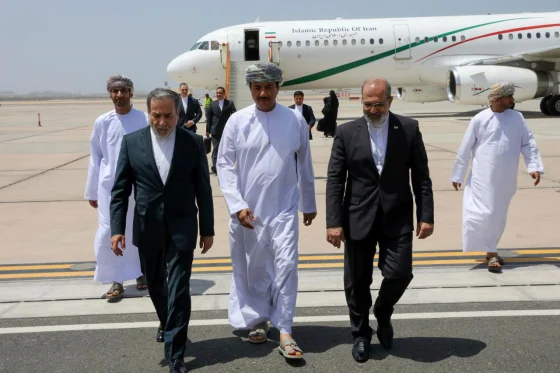
Diplomatic efforts are underway as the United States and Iran prepare for nuclear talks in Oman this Friday. The meeting aims to address long-standing disagreements over Iran’s nuclear program and related regional security issues. Officials say hosting the discussions in Muscat highlights Oman’s role as a trusted mediator in international diplomacy.
Earlier reports suggested the negotiations might collapse due to disagreements over the venue and format. However, Iranian Foreign Minister Abbas Araghchi confirmed the talks are now scheduled for Friday. He expressed appreciation to Omani authorities for arranging the meeting, emphasizing Oman’s diplomatic importance.
White House officials also confirmed the meeting would take place in Muscat, despite initial speculation that the talks might shift to Turkey. Both sides appear cautious, noting that reaching a shared agenda remains challenging.
Iran seeks to limit the discussions to its nuclear program, while the United States insists on addressing additional issues. These include Iran’s ballistic missile development, support for armed proxy groups, and domestic human rights concerns. Such differences illustrate the complexity of these high-stakes negotiations.
Meanwhile, senior Iranian officials indicated that discussions on the missile program remain unlikely. They also reiterated willingness to negotiate over nuclear issues but warned that inclusion of non-nuclear topics could jeopardize progress. These statements suggest both sides remain cautious yet committed to dialogue.
Tensions remain high as US leadership continues to pressure Iran. President Donald Trump recently warned Iran’s supreme leader about potential consequences of nuclear expansion. He cited intelligence on a planned new facility, asserting that any further development could trigger serious responses.
The backdrop of military deployments in the region adds urgency to the discussions. The United States has reinforced its presence and has not ruled out further action, reflecting the strategic stakes involved. Observers note that successful nuclear talks in Oman could stabilize the situation and prevent escalation in the Middle East.
Oman’s role as host underscores its long-standing reputation for neutral diplomacy. The country has consistently facilitated negotiations between global powers and regional actors, providing a secure environment for sensitive discussions.
As the meeting approaches, all parties emphasize the importance of careful preparation. Analysts suggest that the nuclear talks in Oman represent both a critical opportunity and a test of diplomatic skill for all sides involved. The coming days will determine whether constructive dialogue can overcome existing tensions and lead to meaningful progress.
