
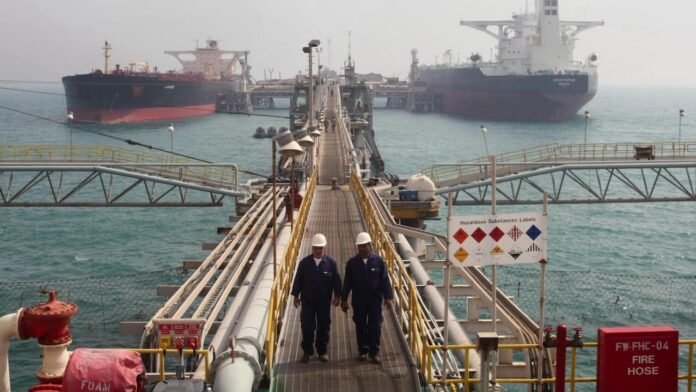
UAE oil stocks hit record low this week, raising concerns in energy markets across the region. Industry figures showed the sharpest fall in inventories ever recorded at the Fujairah port. Analysts linked the decline to shrinking fuel oil shipments from Iraq.
UAE oil stocks hit record low after Iraqi fuel oil flows slowed in August. According to data, average shipments dropped to 43,000 barrels per day. This was the weakest supply rate since October 2020, based on S&P Global reports. The supply shortage has put additional strain on Fujairah’s storage capacity and market confidence.
Moreover, middle distillates such as jet fuel and diesel fell by 24 percent. Stocks slipped to 1.651 million barrels, which marked their lowest point in four weeks. Since the beginning of 2025, these levels also declined by 16 percent. Analysts stressed that the continued decline could affect airline operations and freight companies.
Meanwhile, light distillates including gasoline and naphtha also moved down by 10 percent. Current inventories dropped to 6.048 million barrels. This reduction signaled weaker stability in the fuel distribution network. Market experts believe further declines will impact both transport and retail sectors.
UAE oil stocks hit record low for the third time in recent memory, amplifying worries about Iraq’s export consistency. Iraq has long been a crucial supplier to the UAE’s Fujairah hub. However, disruptions in fuel oil exports have started to reshape trade flows in the Gulf. With global energy demand rising, the supply cuts could create new challenges.
In addition, industry watchers highlighted that seasonal demand will tighten the market further. Rising regional consumption of diesel and gasoline may push prices higher. Traders in Fujairah have already noted increased volatility in day-to-day operations.
Therefore, many energy experts are calling for stronger coordination between Iraq and UAE. Improved logistics and stable supply agreements could ease the downward trend. Otherwise, the impact of falling inventories may stretch into the final quarter of 2025.
Ultimately, the data confirmed a serious shift in market balance. The continued weakness in Iraqi fuel flows is pressing on regional energy hubs. Observers warn that without corrective measures, the record low inventories may persist and hurt broader economic stability.
