
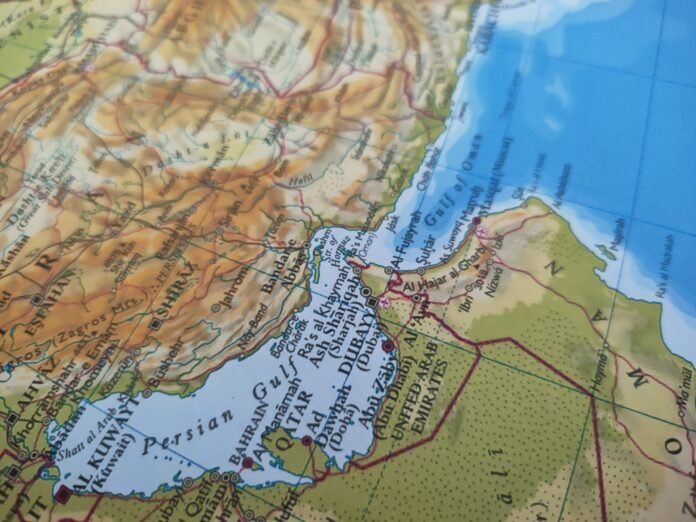
UAE criticises UN after the Security Council failed to pass a resolution protecting shipping through the Strait of Hormuz. Officials called on international partners to take stronger measures against threats to maritime traffic.
The UAE voiced disappointment over the council’s inaction, noting that Iran’s closure of the strait and repeated attacks on commercial vessels endanger regional trade. The country urged decisive action to prevent further disruptions.
Bahrain submitted the proposed resolution on behalf of a coalition including the UAE, Saudi Arabia, Kuwait, Qatar, and Jordan. The draft demanded that Iran immediately halt attacks on commercial shipping and stop obstructing maritime routes.
UAE criticises UN because the council missed a key opportunity to reinforce maritime security. Officials emphasized that coordination among Gulf states is critical to safeguard shipping flows through the vital energy corridor.
The proposal built upon United Nations Security Council Resolution 2817, which earlier condemned Iranian attacks on Gulf states and efforts to disrupt navigation in the strait. Gulf countries stressed that enforcing such resolutions is essential to protect global energy supplies.
UAE representatives also highlighted the need for defensive measures and rapid regional coordination. They stressed that Gulf states cannot rely solely on external powers to ensure maritime safety. Instead, joint initiatives are necessary to mitigate risks to international shipping.
The UAE criticized the UN to signal its frustration with delays in implementing effective resolutions.Officials reiterated the importance of maintaining open, safe, and stable maritime corridors for economic and strategic purposes.
The coalition encouraged the UN Security Council to reconsider the resolution and adopt a firm stance against threats in the Gulf. Strengthening maritime security remains a priority for the UAE and its regional partners.
The UAE’s message underscores a commitment to protecting trade, coordinating Gulf responses, and holding the international community accountable. Regional stability depends on immediate action to safeguard one of the world’s most critical shipping lanes.
