
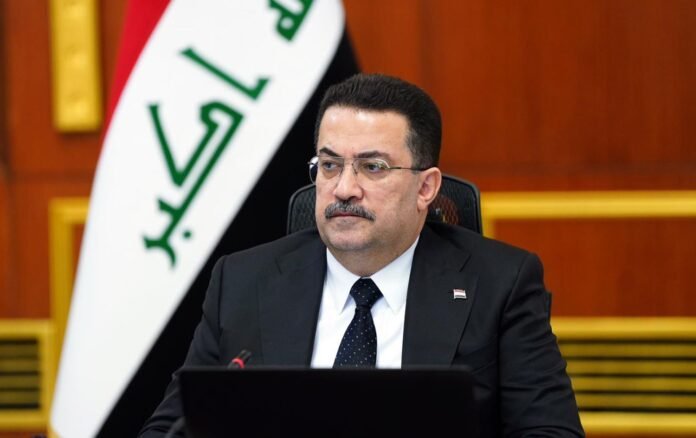
Iraq’s political direction sits at the center of new discussions as talks intensify in Baghdad. Many leaders now evaluate the next government, and they focus closely on Iraq’s political direction. The debate grows louder each day as parties assess alliances, programs, and future plans. Consequently, Iraq’s political direction continues to shape every major conversation.
A senior figure from the Reconstruction and Development Coalition (RDC) said the current premier remains the strongest option for another term. He stressed that the RDC feels confident after the recent election. He also emphasized strong support from several Kurdish and Sunni groups.
Iraq held early parliamentary elections on November 9, followed by a general vote two days later. Soon after, the Independent High Electoral Commission released the final results. The RDC secured 46 seats in the 329-seat legislature, and this result strengthened internal confidence within the coalition.
However, speculation quickly increased as the Coordination Framework claimed the largest bloc in parliament. That bloc traditionally selects the nominee for the premiership, so attention moved toward its internal meetings. The bloc created two committees to review national entitlements and outline selection mechanisms for the next government. Many observers interpreted this move as a sign that some members may explore alternative options.
Yet the senior RDC figure rejected those assumptions. He said no serious alternative names exist and insisted that the committees only focus on the selection process rather than interviews. He highlighted the premier’s achievements and argued that those achievements give him a strong advantage over possible contenders.
Names circulating in media, such as Qasem al-Araji, Hamid al-Shatri, Abdul-Amir al-Shammari, and Asaad al-Eidani, did not gain traction within the coalition. The RDC figure said those names do not represent real proposals. Instead, he pointed toward program-based evaluations as the main standard for choosing the next leader.
He noted improved ties between Baghdad and Erbil under the current government. The RDC figure also said these ties reached their best level in recent years and created more stability across the country. He also said international actors praised Iraq’s recent progress. Both Washington and Tehran called the elections an important step toward political stability.
He added that many groups inside Iraq support stronger state control over weapons. He said this issue represents a shared national demand rather than a foreign request. The RDC figure also stated that Iran feels comfortable with the current government due to shared goals focused on stability and security.
As political negotiations continue, many parties now watch how the Coordination Framework will finalize its decision. Yet momentum appears to remain with the current premier, who still holds broad acceptance across several blocs. Consequently, the path toward the next government may depend on whether the coalition maintains unity during the final selection stage.
