
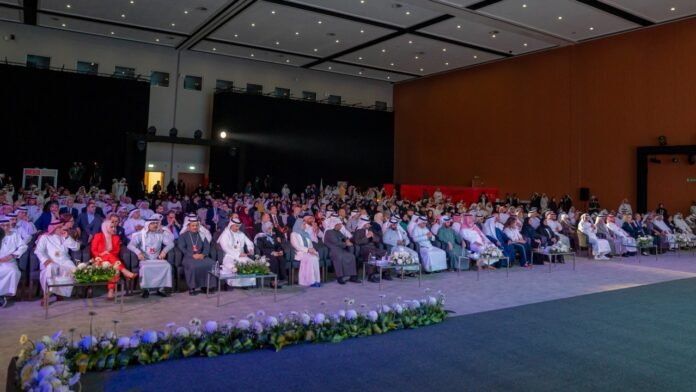
Sports as an economic driver dominated discussions during a major regional sports summit in Bahrain. The event highlighted how sports now shape national economies. Moreover, speakers stressed long-term sustainability and investment returns. The summit reflected shifting regional priorities.
A senior UAE sports official attended the summit to share regional experiences. He praised Bahrain’s role in advancing Arab sports culture. Additionally, he emphasized sports as a strategic national tool. He noted that sports now support economic and social policies.
Global competition to host sporting events continues to intensify. Therefore, countries increasingly view sports as investment platforms. These events generate direct financial returns. At the same time, they create indirect economic benefits. Tourism, hospitality, and transport sectors benefit strongly.
Sports investment also supports public health systems. Regular sports activity reduces long-term healthcare costs. Consequently, governments save future public spending. This link strengthens the economic argument for sports funding.
Across the world, sports spending has shifted in purpose. Previously, budgets covered operational costs. However, sports now generate measurable economic returns. Many countries treat sports as productive assets. Therefore, policymakers integrate sports into development strategies.
Experts at the summit described sports as soft power tools. Sports improve national branding and global visibility. Moreover, they enhance community wellbeing and social cohesion. These factors support sustainable development goals.
Regional experiences offered practical lessons. Several Gulf states restructured sports clubs into investment entities. As a result, clubs now operate year-round. They generate revenue beyond match days. Academies, merchandising, and events contribute steadily.
Clear legislation plays a crucial role in sports investment. Investors seek predictable legal frameworks. Therefore, governments must ensure regulatory stability. Transparent rules attract both local and foreign capital.
Public and private partnerships emerged as essential pillars. Governments provide infrastructure and policy support. Meanwhile, private investors bring capital and expertise. Together, they accelerate sector growth. This model proved effective across the UAE.
Government-backed investment also reduces risk. It reassures investors entering new sports markets. Consequently, capital flows increase. Sports academies benefit across various disciplines.
Summit discussions also stressed youth development. Sports academies nurture talent and create jobs. Moreover, they support education and discipline. These outcomes strengthen long-term economic resilience.
Participants highlighted the importance of strategic planning. Sports projects require professional management. Data-driven decision-making improves outcomes. Therefore, sports governance standards must continue improving.
The summit reinforced the regional consensus. Sports no longer represent optional entertainment. Instead, they function as structured economic sectors. With proper planning, sports deliver sustainable returns.
The sports as an economic driver concept continues gaining policy support. Gulf countries increasingly adopt investment-focused sports models. As a result, sports now influence broader development agendas. The sports as an economic driver approach positions the region for long-term growth.
