
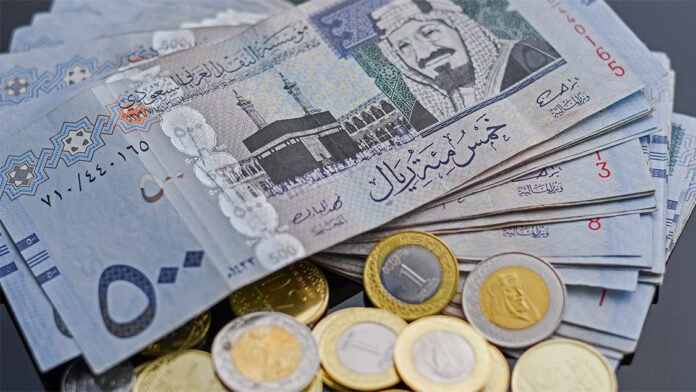
Saudi Electricity Company moved forward with a major funding step through the Saudi Electricity refinancing deal, strengthening its financial position. The agreement reflects growing confidence in Saudi Arabia’s power sector. Moreover, it highlights strong support from regional and international lenders. The move comes during a period of active debt management across the Gulf. Therefore, the deal carries broader market significance.
Saudi Electricity Company secured a Murabaha facility worth SAR 16 billion, equal to $4.27 billion. Several leading banks supported the transaction. These lenders include Saudi National Bank and Al Rajhi Banking and Investment Corporation. Additionally, Saudi Awwal Bank and Banque Saudi Fransi joined the facility. Arab National Bank and Riyad Bank also participated. Furthermore, Qatar International Islamic Bank provided cross-border support.
The company structured the facility with a three-year maturity. However, the agreement allows an extension under specific conditions. As a result, the company gained added flexibility. The funds will help settle existing financial obligations. Consequently, the refinancing eases pressure from earlier debt commitments.
This financing method follows Islamic banking principles. Murabaha structures rely on cost-plus arrangements. Therefore, the deal aligns with Sharia-compliant financing standards. At the same time, it attracts banks seeking stable long-term exposure. Moreover, it suits infrastructure companies with predictable cash flows.
The Saudi Electricity refinancing deal also follows recent capital market activity. Earlier, the company issued $2.4 billion in unsecured dollar-denominated sukuk. That issuance attracted global investors. Consequently, it demonstrated strong demand for Saudi-linked credit. Together, both steps signal an active financial strategy.
Saudi Arabia continues expanding power generation and grid infrastructure. Meanwhile, electricity demand rises with population growth and industrial projects. Therefore, utilities face increasing capital needs. Strategic refinancing helps manage these pressures. In addition, it improves balance sheet stability.
Banks involved in the facility benefit from lower-risk exposure. Utility revenues remain relatively stable. As a result, lenders often view the sector as defensive. Furthermore, long-term power contracts support predictable income streams.
Market analysts see the refinancing as timely. Interest rate conditions remain uncertain. However, proactive debt management reduces future risks. Consequently, the company positions itself for upcoming investments.
The Saudi Electricity refinancing deal reflects wider trends across Gulf markets. Companies increasingly turn to structured Islamic financing. At the same time, banks show readiness to support large-scale infrastructure players. Therefore, the transaction reinforces confidence in Saudi Arabia’s economic outlook.
