
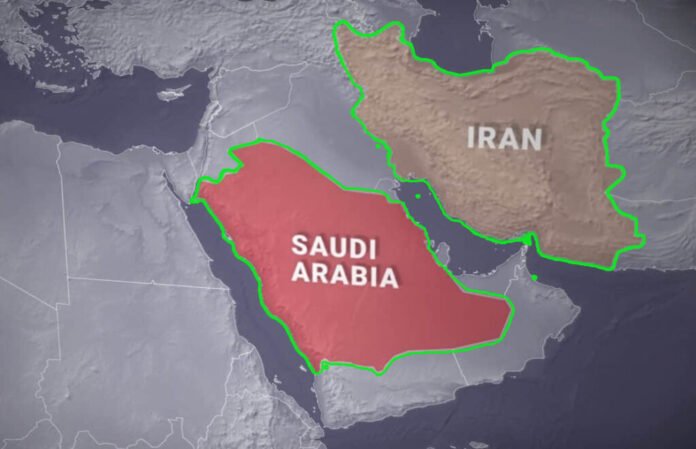
As Iran’s power fades, Saudi Arabia’s regional strategy is drawing intense attention across the Middle East. Analysts now debate whether Riyadh is adapting wisely or taking risky steps. However, many agree the region is entering a new and uncertain phase.
Iran’s weakened position has created a political vacuum across several conflict zones. Consequently, Saudi Arabia has moved quickly to protect its interests. Moreover, officials have recalibrated alliances and expanded diplomatic options. This shift highlights Saudi Arabia’s regional strategy in a changing security landscape.
For decades, Saudi Arabia and Iran competed for influence across the Muslim world. However, recent developments have altered that balance. As a result, Riyadh now pursues broader partnerships while reducing reliance on single allies. Meanwhile, it seeks greater autonomy in foreign policy decisions.
In Yemen, Saudi Arabia continues to play a decisive role. It supports a unified Yemeni state and rejects fragmentation. Therefore, officials argue stability prevents extremist groups from gaining ground. At the same time, tensions have emerged with other regional actors over differing approaches.
Meanwhile, Saudi outreach to Turkey signals a clear diplomatic shift. Officials aim to reduce rivalry through dialogue and economic cooperation. As a result, trade and political engagement have expanded. Supporters describe this as pragmatic diplomacy rather than ideological change.
Relations with major global powers have also evolved. Saudi Arabia maintains strong ties with the United States. However, it also engages China and Russia when interests align. Consequently, analysts view this approach as hedging rather than realignment.
Some experts express concern about long-term consequences. They warn that regional flexibility could empower hostile actors. Nevertheless, Saudi analysts reject claims of ideological drift. Instead, they emphasize national interests, stability, and development goals.
The Muslim Brotherhood issue remains a focal point in this debate. Saudi Arabia continues to classify the group as a terrorist organization. Therefore, officials deny any claims of cooperation or tolerance. This stance reinforces continuity within Saudi Arabia’s regional strategy.
In addition, regional security concerns dominate policy discussions. Saudi officials stress the need for coordinated counterterrorism efforts. They argue that instability in one country affects the entire region. Thus, prevention remains a top priority.
Furthermore, recent developments in Syria and Iraq influence Saudi calculations. Riyadh supports territorial integrity and political solutions. At the same time, it opposes militia control and foreign interference. These positions reflect a consistent diplomatic line.
Economic considerations also shape Saudi actions. Vision-driven reforms require regional calm and investor confidence. Therefore, Saudi diplomacy increasingly links security with development. Stability attracts trade, tourism, and long-term growth.
Observers also note domestic confidence behind foreign policy decisions. Leadership consolidation has enabled faster responses to crises. As a result, Saudi Arabia acts with greater clarity and speed. Supporters see this as strategic maturity.
However, critics remain cautious. They argue shifting alliances may strain traditional partnerships. Yet Saudi officials insist cooperation remains strong. They emphasize shared interests over political disagreements.
Ultimately, the region stands at a crossroads. Iran’s decline has reshaped regional dynamics. Saudi Arabia has stepped forward with ambition and caution. Whether this approach succeeds will define the Middle East’s next chapter.
As debates continue, one reality remains clear. Saudi Arabia’s regional strategy now shapes political, security, and economic outcomes. The coming years will reveal whether adaptation brings lasting stability or deeper challenges.
