
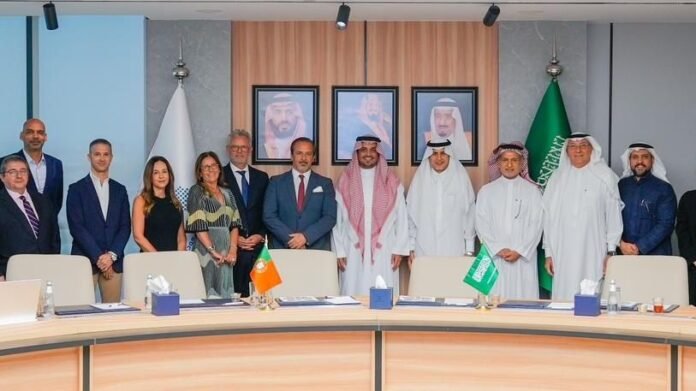
Saudi Arabia is emerging as a global hub for innovation and investment, with Saudi Arabia’s economic transformation attracting attention from countries like Portugal. The Lusitanian Project, showcased during Saudi Lifestyle Week, highlights the kingdom’s commitment to modernizing industries while fostering sustainability. This initiative signals a new era for trade, technology, and cultural collaboration.
The Lusitanian Project, backed by a 111.5 million euro investment, focuses on transforming the textile sector in Saudi Arabia. Led by Nau Verde, the project brings together 17 partners to innovate the value chain from fiber production to consumer products. By emphasizing natural and recycled fibers, advanced technology, and sustainability, Saudi Arabia demonstrates its ability to combine tradition with forward-looking strategies.
Saudi Arabia’s rapid modernization under Vision 2030 is visible across Riyadh. Skyscrapers, research centers, and new universities reflect the kingdom’s ambitious plans. Moreover, young entrepreneurs are driving innovation, creating opportunities for international collaboration. This dynamic environment allows Saudi Arabia to attract foreign investment and establish itself as a leading regional economy.
During Saudi Lifestyle Week, Portuguese business delegates highlighted the potential for partnerships in textiles, engineering, renewable energy, tourism, health, and digital technology. They noted that Saudi Arabia’s openness to innovation and investment creates unique opportunities for collaboration. Local enthusiasm for foreign talent, fueled by figures like Cristiano Ronaldo in sports, also strengthens business and cultural ties.
Furthermore, the Lusitanian Project demonstrates Saudi Arabia’s commitment to sustainable growth. By promoting eco-friendly production processes and local manufacturing, the kingdom is fostering a green economy while encouraging international partnerships. This approach aligns with Saudi Arabia’s economic transformation, positioning the country as a model for responsible and innovative growth in the region.
The government also emphasizes the importance of building trust and understanding local culture. Foreign companies willing to invest time and resources can thrive by respecting norms and fostering long-term relationships. Portuguese businesses, known for adaptability and problem-solving, find fertile ground to contribute to Saudi Arabia’s evolving market.
Looking ahead, Saudi Arabia plans to expand similar initiatives beyond textiles. These projects will drive innovation, create new jobs, and enhance regional competitiveness. By investing in infrastructure, sustainability, and technology, Saudi Arabia’s economic transformation is poised to reshape industries and global partnerships.
In conclusion, Saudi Arabia is opening its doors to the world, inviting collaboration, investment, and innovation. With strategic projects like the Lusitanian Project, the kingdom is setting the stage for long-term prosperity and international economic leadership.
