
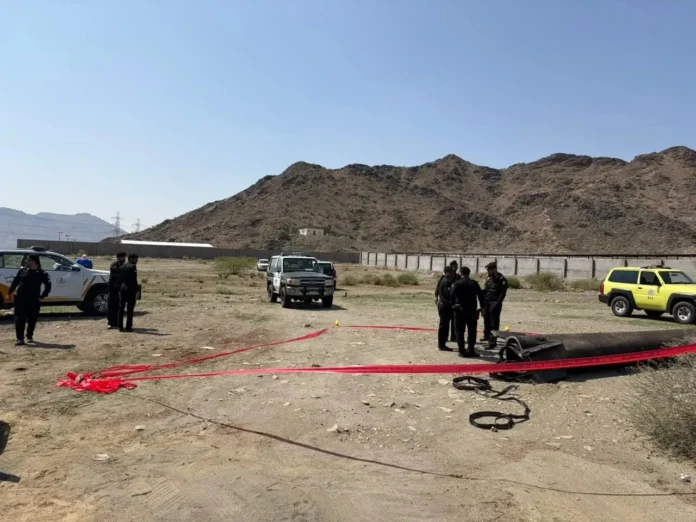
Saudi Arabia has condemned reported missile and drone attacks targeting areas near Makkah and Madinah, raising renewed concerns over the security of the Kingdom’s holy cities. Sheikh Abdulrahman Al-Sudais, head of the Grand Mosque, denounced the attacks attributed to the Houthis and stressed the importance of protecting the country’s religious landmarks.
The reported attacks have intensified concerns about threats to Saudi Arabia’s infrastructure and populated areas. According to the reported information, Saudi air defenses intercepted missiles and drones targeting several locations, including Riyadh, Taif, Yanbu, and Khamis Mushait.
Authorities also responded to reports of falling debris in several western localities. These incidents highlighted the wider security challenges facing the Kingdom as it works to protect residents, visitors, and important sites.
The safety of the Holy sites remains particularly significant because Makkah and Madinah welcome millions of worshippers and visitors. Any threat affecting these cities raises concerns about public safety and the ability of religious activities to continue without disruption.
Meanwhile, operations at King Khalid International Airport in Riyadh have reportedly resumed partially. Terminal 1 reopened for domestic services, while Terminal 2 resumed international operations, according to the reported update.
The airport’s operational changes followed an earlier strike on October 10. That incident reportedly killed 13 people and injured more than 300, underscoring the potential human consequences of escalating attacks.
Saudi authorities continue to face the challenge of responding to security threats while maintaining essential services and protecting critical infrastructure. The reported interceptions demonstrate the role of air defense systems in limiting the impact of incoming missiles and drones.
The protection of the Holy sites remains a central concern amid these developments. Saudi Arabia’s condemnation reflects the significance of safeguarding religious destinations and preventing attacks that could endanger worshippers and civilians.
The situation also highlights broader regional security concerns, particularly when attacks threaten major cities, transport networks, and areas associated with religious pilgrimage. Continued monitoring and coordinated security measures remain important as authorities assess the risks and respond to emerging incidents.
As regional tensions continue, protecting civilians and maintaining the safety of religious destinations remain key priorities. Developments around Makkah and Madinah will continue to draw attention because of the cities’ religious importance and their role in welcoming worshippers from across the world.
