
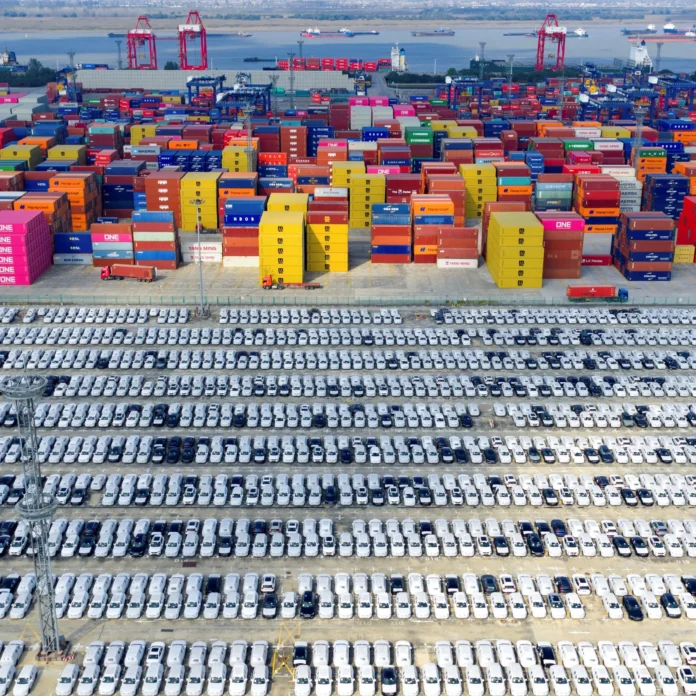
Qatar trade surplus rises as February data shows continued growth in exports and merchandise balance. The country recorded a positive shift despite global market challenges. Moreover, officials highlighted strong trade relations with major partners.
According to National Planning Council, Qatar’s merchandise trade balance reached approximately QAR 13 bn in February. This represents a 7.1% increase compared with January 2026. However, it declined by 26.4% compared with February 2025, highlighting annual fluctuations in global demand.
Qatari exports, including domestic products and re-exports, totaled around QAR 24.2 bn. This figure fell 13.5% compared with February 2025 and 3.6% compared with January 2026. Despite these decreases, key commodities like liquefied natural gas continued to perform strongly.
Qatar trade surplus rises mainly due to controlled imports. Total merchandise imports in February reached roughly QAR 11.2 bn. While up 8.3% from February 2025, imports declined 13.6% compared with January 2026. Motor vehicles led imports at approximately QAR 1.2 bn, up 31.5% year-on-year.
The main export destinations further strengthened Qatar’s trade position. China accounted for about QAR 4.5 bn of exports, representing 18.6% of total shipments. India followed with QAR 3.7 bn, and the United Arab Emirates received QAR 2.1 bn worth of goods. This illustrates Qatar’s diversified trade network.
Oil and gas remain Qatar’s top commodities. Exports of oil gases, including LNG, reached roughly QAR 12.9 bn, down 21.8% from February 2025. Crude petroleum oils totaled QAR 3.5 bn, decreasing 23.3%, while non-crude petroleum products reached QAR 2.1 bn, down 5.8%.
Imports also reflect regional and global integration. China led with approximately QAR 2 bn, followed by the United States at QAR 1.3 bn. The United Arab Emirates accounted for QAR 0.8 bn. These patterns indicate robust economic links with major global partners.
Qatar trade surplus rises as authorities monitor trends and adjust policies to maintain economic stability. Analysts note that strategic exports and import management continue to support the country’s growth. Meanwhile, officials remain focused on strengthening key sectors and diversifying trade.
