
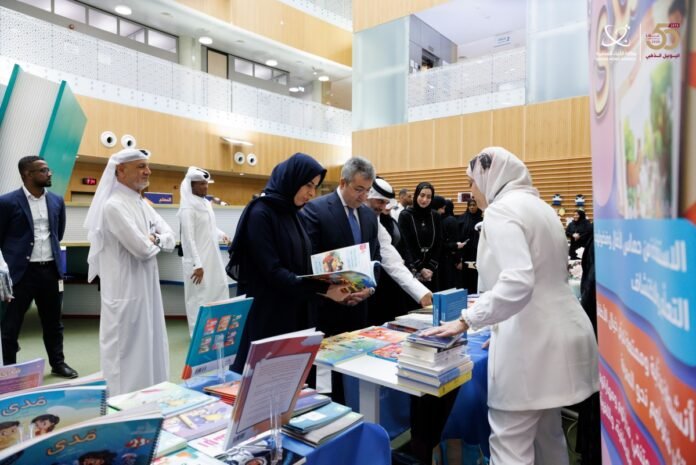
Qatar opened the second Arabic Language Forum for private schools and kindergartens with strong emphasis on Arabic learning progress. The event brought educators together to discuss new ideas, and it highlighted the nation’s growing focus on language development. The forum also created a space for leaders to share plans that support Arabic learning progress across diverse school environments.
The Ministry of Education and Higher Education organized the two-day forum in Doha. It carried the theme “Arabic Language in Private Schools: Challenges and Opportunities,” which attracted experts and researchers from various educational fields. The gathering aimed to explore updated trends in curricula, teacher skills, innovation, and future planning.
During the opening session, the Assistant Undersecretary for Private Education Affairs expressed strong excitement about the event. He said the forum offered a valuable chance to enhance the status of Arabic in private schools. He also stressed that private schools play a strategic role in Qatar’s educational system. Moreover, he explained that the ministry supports international openness while protecting the presence of Arabic in classrooms.
Next, the Director of Private Schools and Kindergarten Department highlighted why the forum continues to grow. She noted that the ministry built this edition on recommendations from last year’s event. She also mentioned that the forum comes ahead of World Arabic Language Day on December 18. Furthermore, she encouraged schools to invest in updated digital tools. She urged educators to use AI-powered platforms while ensuring that human interaction stays at the heart of learning.
Organizers then announced a major new step. They revealed the formation of a team focused on developing Arabic language education in private schools across the GCC. The team will begin work immediately, and its formation marks the first phase of a broader regional effort. The decision reflects the shared identity, culture, and opportunities found across GCC states, especially in early education.
The new team aims to design a unified strategic plan. It will set clear goals and create key indicators to track Arabic learning progress. Additionally, it will follow up on programs, measure their impact, and support coordinated development across the region. Through this plan, Qatar hopes to strengthen language outcomes and ensure meaningful, long-term improvement.
