
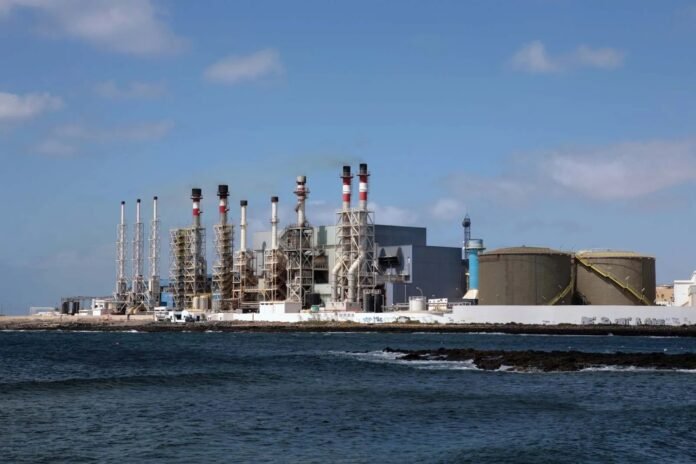
Qatar is making significant progress in sustainable water desalination by incorporating advanced technologies and renewable energy into its operations. According to Guillermo Hijós, Desalination Director for the Middle East and Oceania at Acciona, these efforts aim to reduce energy consumption and environmental impact. Moreover, they ensure a steady, eco-friendly water supply.
A major milestone in this journey is the implementation of the Maestro AI platform at the Umm Al Houl desalination plant. This plant produces over 500,000 cubic meters of water per day. The Ras Abu Fontas 3 plant also contributes with a daily capacity of 165,000 cubic meters. Together, these facilities supply drinking water to approximately 2.9 million residents in Qatar. They are operated in collaboration with Kahramaa, Qatar’s General Electricity & Water Corporation.
Both plants have received the internationally recognized ISO 50001 certification for energy management systems. This is a first of its kind for Acciona’s international projects. It highlights Qatar’s strides toward energy-efficient desalination.
Hijós emphasized that Qatar’s growing leadership in sustainable water management aligns with its broader environmental goals. These are particularly those outlined in the Qatar National Vision 2030. The country is also exploring the integration of solar photovoltaic systems into its desalination infrastructure. They aim to reduce reliance on fossil fuels.
The Qatar Environment and Energy Research Institute (QEERI) has also developed a Multi-Effect Distillation (MED) pilot plant in Dukhan. This plant consumes only 4.5 kWh per cubic meter of water. This is a significant improvement over traditional methods that require up to 12 kWh/m³. This shift not only cuts operational costs but also supports Qatar’s low-carbon transition.
Experts also underline the importance of managing brine, a byproduct of desalination, which poses environmental challenges across the Middle East. The integration of sustainable practices, including renewable energy and water conservation, is crucial for long-term environmental protection.
With these ongoing efforts, Qatar is positioning itself as a regional leader in sustainable water solutions. It is balancing its growing water demands with innovative and environmentally responsible technologies.
