
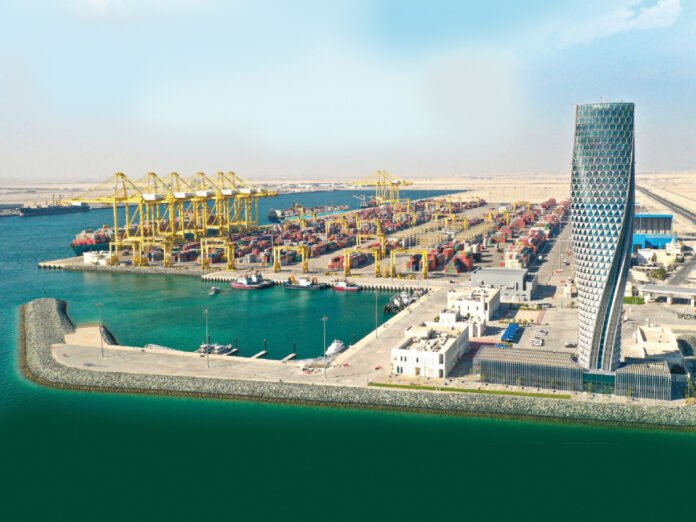
Qatar recorded strong growth in Port Activity during October, with its ports handling more vessels and higher cargo volumes. The latest figures highlight the importance of maritime transport to the country’s trade and logistics network.
Mwani Qatar reported that 249 vessels arrived at the country’s ports during October. This represented a 56 percent increase compared with September, indicating a significant rise in maritime traffic.
General cargo handling also recorded substantial growth throughout the month. Ports processed 66,397 tonnes, marking a 64 percent increase from the previous month. This category includes goods that support commercial activity and supply requirements across different sectors of Qatar’s economy.
Container handling followed a positive trend, although its monthly increase remained more moderate. Qatar’s ports processed 59,022 twenty-foot equivalent units, commonly known as TEUs, during October. That figure represented a nine percent rise compared with September.
Meanwhile, bulk cargo recorded one of the month’s largest increases. Handling reached 53,586 tonnes, representing a 211 percent surge from September. Bulk shipments support various industrial, construction and commercial activities, making this category important for domestic supply chains.
Livestock handling experienced the sharpest percentage increase among the reported categories. Qatar’s ports handled 61,066 animals during October, marking a 641 percent rise compared with September. This growth highlights the ports’ role in facilitating livestock imports and supporting the country’s food supply network.
The figures cover operations across Hamad Port, Ruwais Port and Old Doha Port – The Terminal. Together, these facilities contribute to Qatar’s maritime connections and wider logistics capabilities.
Hamad Port serves as a major gateway for the country’s international trade. Its infrastructure supports container shipments, general cargo, bulk commodities and other maritime operations. Furthermore, its connections with international shipping routes help businesses move goods between Qatar and overseas markets.
Ruwais Port supports commercial activity in northern Qatar through its maritime facilities and services. It contributes to regional connectivity by facilitating the movement of goods through the country’s northern coastline.
Old Doha Port – The Terminal also forms part of Qatar’s broader maritime network. Its operations complement the country’s other port facilities and contribute to its maritime presence.
Overall, October’s results show growth across several important areas of Port Activity. Vessel arrivals increased considerably, while general cargo, bulk shipments and livestock handling recorded particularly strong gains.
These figures also underline the importance of reliable port infrastructure to Qatar’s economic diversification efforts. Efficient maritime operations help connect local businesses with international suppliers, customers and commercial markets.
Additionally, ports support the movement of essential commodities required by industries, retailers and consumers. Their performance therefore matters beyond shipping companies, influencing the wider movement of goods throughout the economy.
Qatar continues to develop its logistics infrastructure and strengthen its maritime capabilities. Consequently, its ports remain central to the country’s ambition of expanding its role as a regional trade hub.
The October figures provide a monthly snapshot of that contribution, rather than a confirmed long-term trend. Nevertheless, the increases across several cargo categories demonstrate the scale of activity handled by Mwani Qatar’s network.
As international trade depends on effective transport links, the country’s maritime facilities remain important economic assets. Their continued operation supports commercial connections and the movement of goods through Qatar.
