
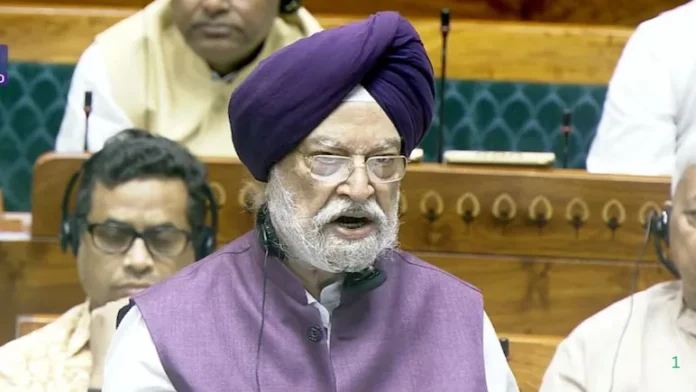
Qatar LNG disruption has forced India and other global buyers to rethink supply strategies after Iran’s attacks damaged major infrastructure. Union Minister Hardeep Puri will visit Qatar this week to address the crisis and secure LNG shipments.
Since the outbreak of the Iran war in February, Iranian strikes have damaged facilities accounting for nearly 17% of Qatar’s LNG export capacity. Two of Qatar’s 14 LNG trains and one gas-to-liquids facility went offline, halting an estimated 12.8 million tonnes of annual output.
Qatar LNG disruption has triggered losses estimated at $20 billion annually, raising concerns over energy security across Europe and Asia. QatarEnergy mobilizes engineers and workers to restore production at Ras Laffan, the world’s largest LNG export plant.
India has begun rationing gas to households and turned to alternative suppliers in the US, Australia, as well as Russia. The country imported about 25.5 million tonnes of LNG in 2025, and the government plans to increase natural gas in the energy mix to 15% by 2030.
Last month, Prime Minister Narendra Modi spoke with Qatar Emir Sheikh Tamim bin Hamad Al Thani to condemn attacks on regional energy infrastructure. Both leaders reaffirmed their commitment to safe navigation through the Strait of Hormuz.
Hardeep Puri will meet Qatari officials to discuss immediate measures for restoring LNG supply. They will also explore solutions to minimise disruption for industrial and domestic users. The visit is crucial for stabilizing bilateral energy trade.
The disruption also follows a recent Pakistan-brokered ceasefire between Iran and regional actors. US President Donald Trump announced the truce, contingent on Iran halting offensive operations and reopening the Strait of Hormuz. Israel reportedly agreed to the arrangement as well.
Qatar LNG disruption underscores the fragility of global energy supplies amid conflict. Regional coordination and swift repairs remain vital to ensuring uninterrupted exports and preventing further economic losses.
