
Gulf energy strike escalation intensifies after missile attacks hit major energy infrastructure in Qatar and the United Arab Emirates. Authorities responded quickly to protect critical gas and oil facilities. The situation now raises serious concerns across global energy markets.
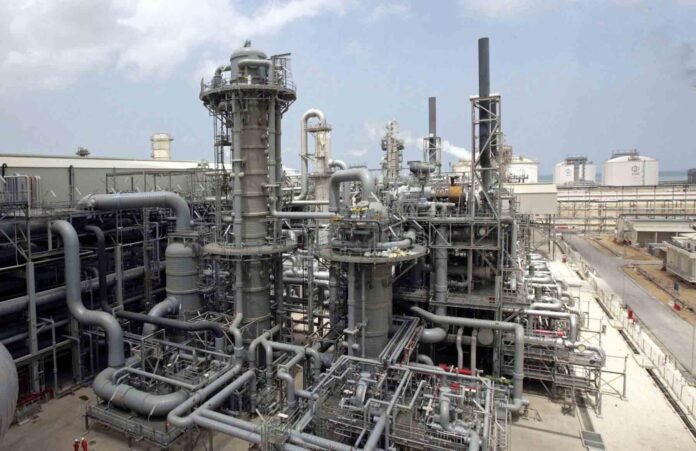
Moreover, QatarEnergy confirmed that missiles struck the Ras Laffan LNG hub. This site handles a large share of the country’s liquefied natural gas production. As a result, emergency teams rushed to control fires and assess damage.
In addition, officials reported that no casualties occurred during the attack. However, they confirmed extensive damage to key infrastructure. Therefore, Qatar increased security across all energy installations.
Furthermore, the Gulf energy strike escalation triggered a strong diplomatic response from Doha. Qatar ordered Iranian military and security attaches to leave the country. Consequently, officials declared them persona non grata within hours.
At the same time, the United Arab Emirates responded to nearby incidents. Missile debris caused disruptions at the Habshan gas complex and Bab oil field. As a result, authorities temporarily shut down gas operations.
Moreover, UAE officials confirmed that defense systems intercepted incoming missiles. However, falling debris still damaged energy facilities. Therefore, precautionary shutdowns became necessary to ensure safety.
In addition, the attacks followed earlier evacuation warnings issued across Gulf states. Iran reportedly warned regional countries before launching retaliatory strikes. Consequently, energy operators prepared for possible impacts.
Furthermore, the Gulf energy strike escalation connects to broader regional retaliation. The conflict involves repeated strikes on energy infrastructure across multiple countries. As a result, energy security now faces growing pressure.
At the same time, Qatar described the Ras Laffan attack as a direct threat to national security. Officials emphasized that energy infrastructure remains a strategic priority. Therefore, they promised stronger protective measures.
Moreover, international analysts warned about the global impact of these attacks. LNG supply disruptions could affect international markets. Consequently, energy prices may rise further if escalation continues.
In addition, UAE’s Habshan complex remains one of the largest gas facilities in the world. Any disruption there affects regional production capacity significantly. Therefore, the shutdown carries wider economic implications.
Diplomatic tensions increased after Qatar expelled Iranian representatives. This move signaled a sharp deterioration in relations. As a result, regional dialogue faces additional pressure.
Gulf energy strike escalation highlights growing risks to global energy stability. Authorities continue to monitor facilities and strengthen defenses. Gulf energy strike escalation therefore remains a key concern for regional security and international markets.
