
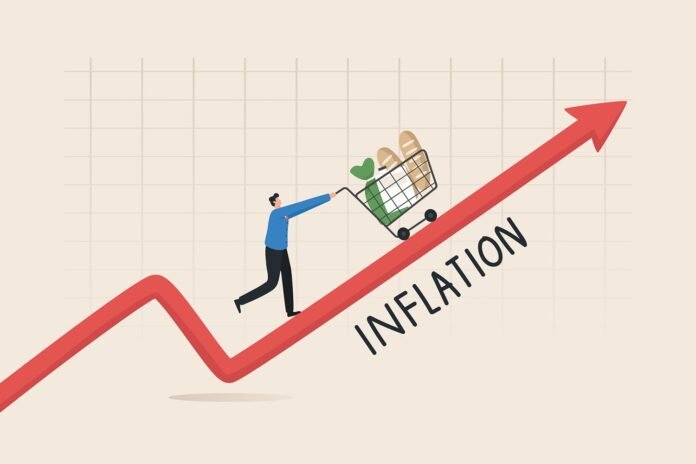
Oman inflation rises as February 2026 data shows a steady increase in consumer prices across multiple sectors. The National Centre for Statistics and Information reported notable shifts in spending patterns. Moreover, the rise reflects growing costs in personal goods, services, and essential commodities.
Data shows that average inflation climbed 1.7 percent from January to February 2026, while the general consumer price index rose 2 percent year-on-year. Oman inflation rises particularly in categories such as miscellaneous personal goods and services, which jumped 13.4 percent. Restaurants and hotels followed with a 5.7 percent increase.
Furniture, household equipment, and maintenance costs increased 3 percent. Food and non-alcoholic beverages rose by 2.8 percent, while education costs went up by 2.2 percent. Health prices recorded a 1.7 percent rise, while transport, culture, and entertainment increased slightly by 0.2 percent. Clothing and footwear showed minimal growth at 0.1 percent.
Within food and non-alcoholic beverages, vegetables had the highest increase at 8.3 percent. Fruits rose 5.4 percent, sugar, jam, honey, and sweets climbed 3.1 percent. Fish, seafood, and non-alcoholic beverages grew by 2.9 percent each, milk, cheese, and eggs rose 2.1 percent, while meat prices increased 1.6 percent. Other food products increased 1.5 percent, oils and fats by 0.7 percent, and bread and cereals by 0.4 percent.
Oman inflation rises varied across governorates. Al Dhahirah recorded the highest rate at 3 percent, followed by Muscat at 2.5 percent. Al Buraimi rose 2.3 percent, Ad Dakhiliyah 2 percent, South Al Batinah and Musandam 1.7 percent, and South Al Sharqiyah 1.3 percent. North Al Batinah, North Al Sharqiyah, Al Wusta, and Dhofar each recorded 1 percent.
These figures indicate a gradual yet noticeable increase in living costs. Analysts note that the trend reflects pressures from both global markets and domestic demand. Consequently, households are adjusting budgets to cope with rising prices in essential sectors.
Authorities continue monitoring consumer prices closely. They aim to ensure stability and guide economic policy to reduce inflationary pressures. Oman remains committed to maintaining transparency and informing citizens of economic trends.
