
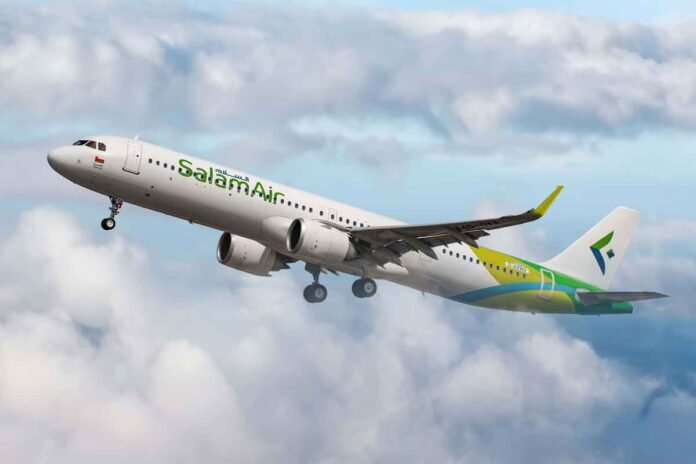
Oman airline consolidation takes a decisive step as the government assumes full control of budget carrier SalamAir. The move aims to stabilize Oman Air, the national flagship struggling to recover from a debt-fueled financial crisis. Moreover, Oman airline consolidation is expected to improve financial solvency and reduce route overlaps between the two carriers.
The acquisition was executed through Asyad, the logistics unit of the Oman Investment Authority. Asyad purchased SalamAir from Muscat National Development and Investment Co., a consortium of parastatal entities. Officials have not disclosed the financial details of the transaction, but the strategic focus is clear.
SalamAir, launched in 2017 as a budget-friendly alternative, had been competing head-to-head with Oman Air on 16 routes, including Muscat-Dubai and Muscat-Doha. This managed competition created price wars, draining revenue from both airlines. By consolidating operations, the government aims to stabilize pricing, improve efficiency, and ensure a stronger national airline sector.
Although both carriers will continue operating independently, industry experts expect Asyad to merge back-end operations. Maintenance, catering, and ground handling functions will likely combine, reducing costs and streamlining service delivery. This integration reflects Oman airline consolidation efforts to make the domestic aviation sector more sustainable.
SalamAir plans fleet expansion despite the change in ownership. The carrier signed a six-year lease with China Aircraft Leasing Group for two Airbus A320ceo jets, scheduled for delivery in the second quarter of 2026. By 2028, SalamAir aims to grow its fleet from 15 A320neo aircraft to 25 planes, meeting increasing passenger demand and regional connectivity needs.
Government officials note that Oman airline consolidation aligns with broader transport and economic strategies. Strengthening Oman Air’s financial position ensures long-term stability for the aviation sector, supporting tourism, trade, and domestic mobility. Analysts suggest that the consolidation could also attract investment and enhance Oman’s competitive positioning in the Gulf aviation market.
By taking full control of SalamAir, Oman signals its commitment to a resilient and efficient airline industry. The consolidation marks a pivotal moment, potentially shaping the future of domestic and regional air travel for years to come.
