
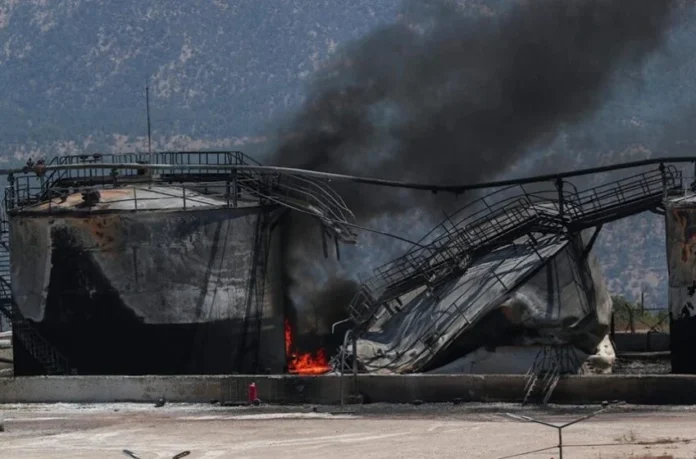
The Middle East war escalation continues to intensify as a deadly strike in northwestern Iraq killed fighters from the Popular Mobilisation Forces. Meanwhile, regional tensions keep rising, and global powers remain deeply involved.
First, a targeted strike hit a PMF position, killing two fighters and injuring six others. The group quickly blamed both the United States and Israel. Moreover, the attack highlighted growing risks inside Iraq, where armed factions still operate alongside official forces.
At the same time, Iran launched a new wave of missile and drone attacks. The military command stated that targets included Israeli cities such as Tel Aviv and Eilat. In addition, US military bases in Gulf countries like Bahrain and Kuwait were also listed as targets. However, no confirmed direct hits were reported.
Meanwhile, thousands gathered in Tehran for a high-profile funeral of a senior naval commander. The commander had died in a previous Israeli strike. This event further fueled public anger and increased calls for retaliation.
On another front, Israeli forces carried out a strike in Beirut. The attack killed a senior Hezbollah commander along with several others. Lebanese officials reported rising casualties, including women, children, and health workers. Consequently, tensions in Lebanon continued to climb rapidly.
In Washington, Donald Trump prepared to address the nation regarding the conflict. This speech marked a key moment, especially as economic concerns and public pressure increased. Earlier, Trump suggested that the conflict might end within weeks. However, Iranian officials quickly rejected claims that they had requested a ceasefire.
Furthermore, Iran warned that the Strait of Hormuz could remain closed to its enemies. This route plays a critical role in global oil shipments. Therefore, any disruption could impact international markets.
In response, the United Kingdom announced an emergency meeting with dozens of countries. Leaders plan to discuss ways to secure the vital waterway and ensure safe navigation. As a result, diplomatic efforts have gained urgency.
Additionally, the United Nations raised concerns about human rights. Officials warned that governments across the region have tightened restrictions. These measures, they argued, limit press freedom and public movement during the conflict.
Despite the rising violence, financial markets showed mixed reactions. Global stocks increased slightly, while oil prices dropped. Investors responded to expectations that the conflict might not last long.
The Middle East war escalation continues to reshape regional dynamics. Each new development adds pressure on global stability. As tensions persist, the world watches closely for any signs of de-escalation in this ongoing Middle East war escalation.
