
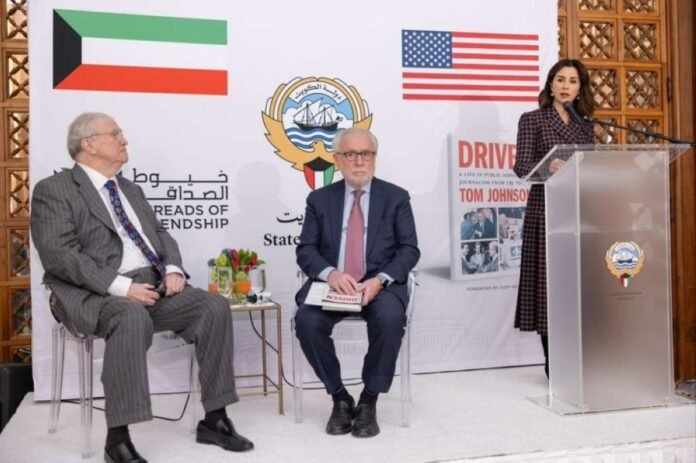
Kuwait’s just cause returned to the spotlight during a special event in Washington marking a historic media milestone. The gathering honored the role of journalism during Iraq’s occupation of Kuwait and its liberation. The event coincided with the 35th anniversary of Kuwait’s Liberation Day and focused on responsible media coverage.
Kuwait’s ambassador to the United States praised the professional reporting that shaped global understanding during the crisis. She highlighted how international media helped present Kuwait’s just cause to audiences worldwide. Moreover, she stressed that ethical journalism influenced diplomatic and military support at a critical time.
The reception celebrated the release of a book titled Driven. The book documents coverage by CNN during the Iraqi occupation. Former CNN president Tom Johnson authored the book. The work reflects firsthand decisions made during intense global scrutiny.
During the event, speakers emphasized the importance of factual storytelling. They explained how clear reporting countered misinformation during the conflict. Consequently, global audiences better understood Kuwait’s position. This clarity helped rally international support for liberation efforts.
Veteran journalist Wolf Blitzer moderated the discussion. He shared personal experiences from reporting on the occupation and liberation. Additionally, he reflected on the responsibility journalists carry during wartime coverage. His remarks highlighted lessons still relevant today.
The audience included senior American journalists and media leaders. Diplomats and US administration officials also attended the event. Together, they discussed how media shapes historical memory. Furthermore, they examined how journalism can defend justice and legitimacy.
Speakers noted that media coverage influenced public opinion and policymaking. Therefore, journalism played a role beyond reporting facts. It actively shaped international responses. As a result, Kuwait’s sovereignty gained strong global backing.
The discussion also addressed modern challenges facing journalism. Panelists stressed accuracy, balance, and accountability. They argued these values remain essential during global conflicts. In addition, they warned against sensationalism and bias.
Overall, the event reaffirmed the lasting impact of responsible reporting. It demonstrated how journalism can protect truth during crises. Importantly, it showed how media amplified Kuwait’s just cause during a defining historical moment. Today, that legacy continues to inspire ethical reporting worldwide.
